EVs With the Fastest Home Charging in 2026
The electric vehicles that recover the most range per hour on a home Level 2 charger in 2026. Home-charging speed is set by the car's onboard AC charger, not the wall — a bigger circuit charges no faster than the car can accept. We combine each EV's onboard charger power with its efficiency to rank by the number that actually matters overnight: EPA miles of range added per hour. Only fully electric vehicles appear, each shown in its representative trim.
Key numbers
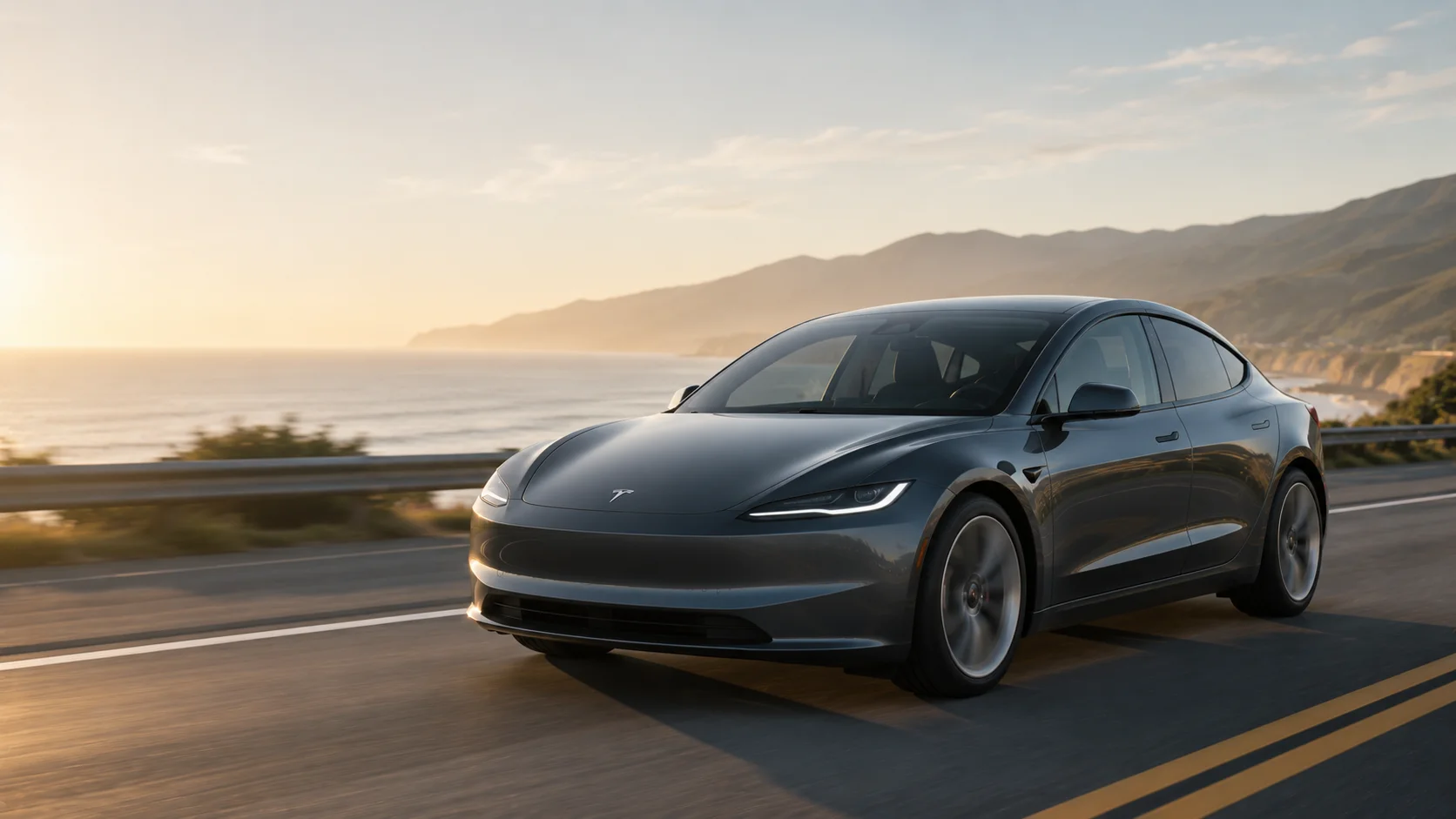
- The 2026 Tesla Model 3 leads MotiveGrid's Fastest Home Charging EVs ranking for 2026 at ≈ 42 mi/hr.
- Across all 10 ranked vehicles, Level 2 home-charging speeds spans ≈ 42 mi/hr to ≈ 27 mi/hr.
- As-ranked 2026 trims run from $39,800 to $79,900 MSRP.
- The lowest 5-year cost of ownership on this list is $49,374 for the 2026 Toyota bZ — about $823 a month.
How home-charging speed is measured
- Ranked by EPA miles of range added per hour of Level 2 (240V) charging at the car's recommended circuit.
- The onboard AC charger is the bottleneck — an 11.5 kW charger fills faster than a 7.7 kW one, whatever the wall outlet.
- Efficiency counts too: a car that travels farther per kWh turns the same charging power into more miles per hour.
- DC fast charging (road-trip charging) is a separate thing — this list is about charging at home overnight.
Top pick: the 2026 Tesla Model 3 (L2 charging ≈ 42 mi/hr). Below, the full ranking from 1 to 10.
- MSRP$42,4905-yr cost$53,853≈ 42 mi/hrL2 charging
Strong for its class on Powertrain.
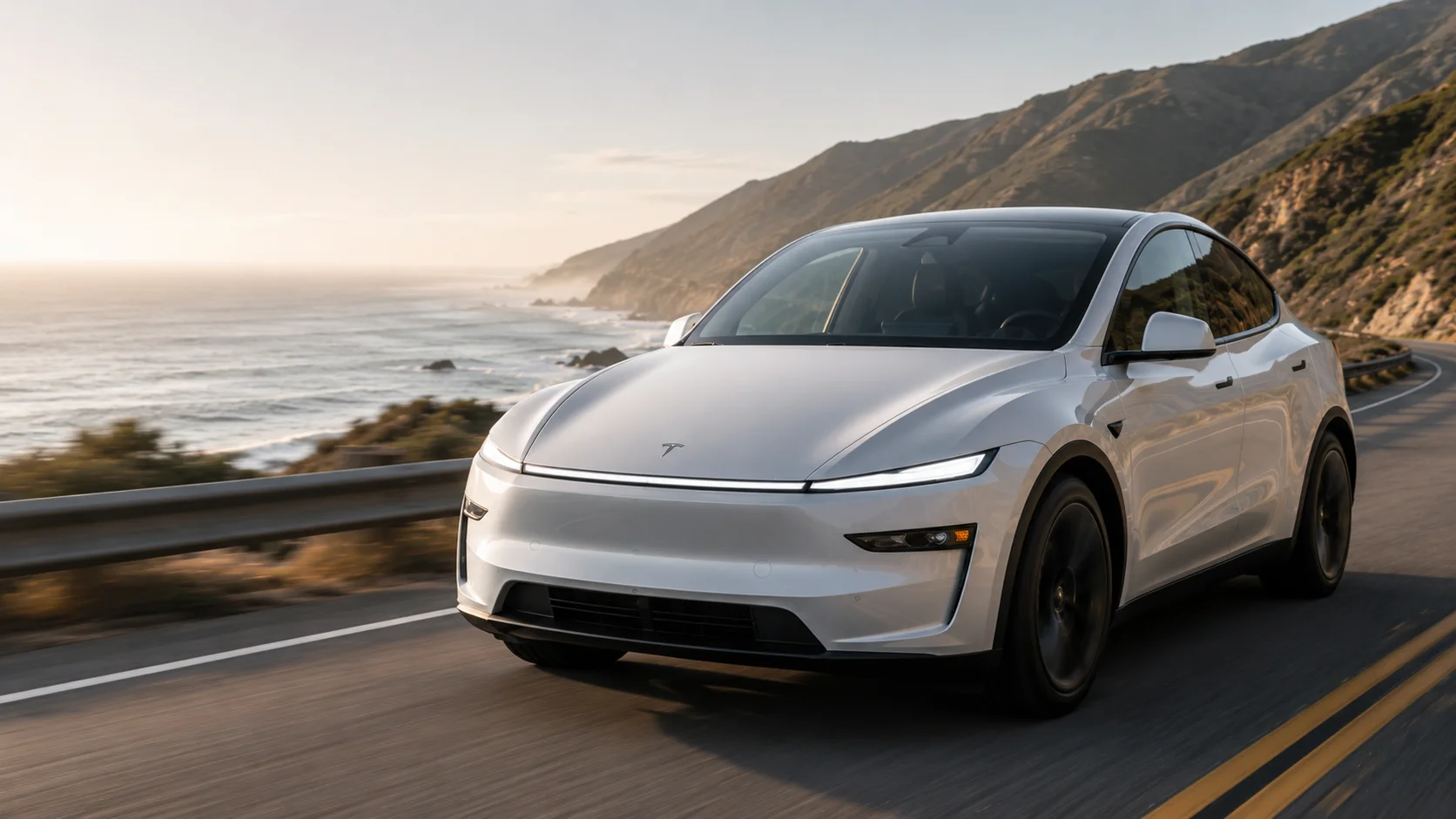
- 2026 Tesla Model YPremium Rear-Wheel Drive · ElectricMSRP$45,9905-yr cost$58,434≈ 41 mi/hrL2 charging
Leads its class on Safety; strong on Powertrain; trails on Driver Assistance.
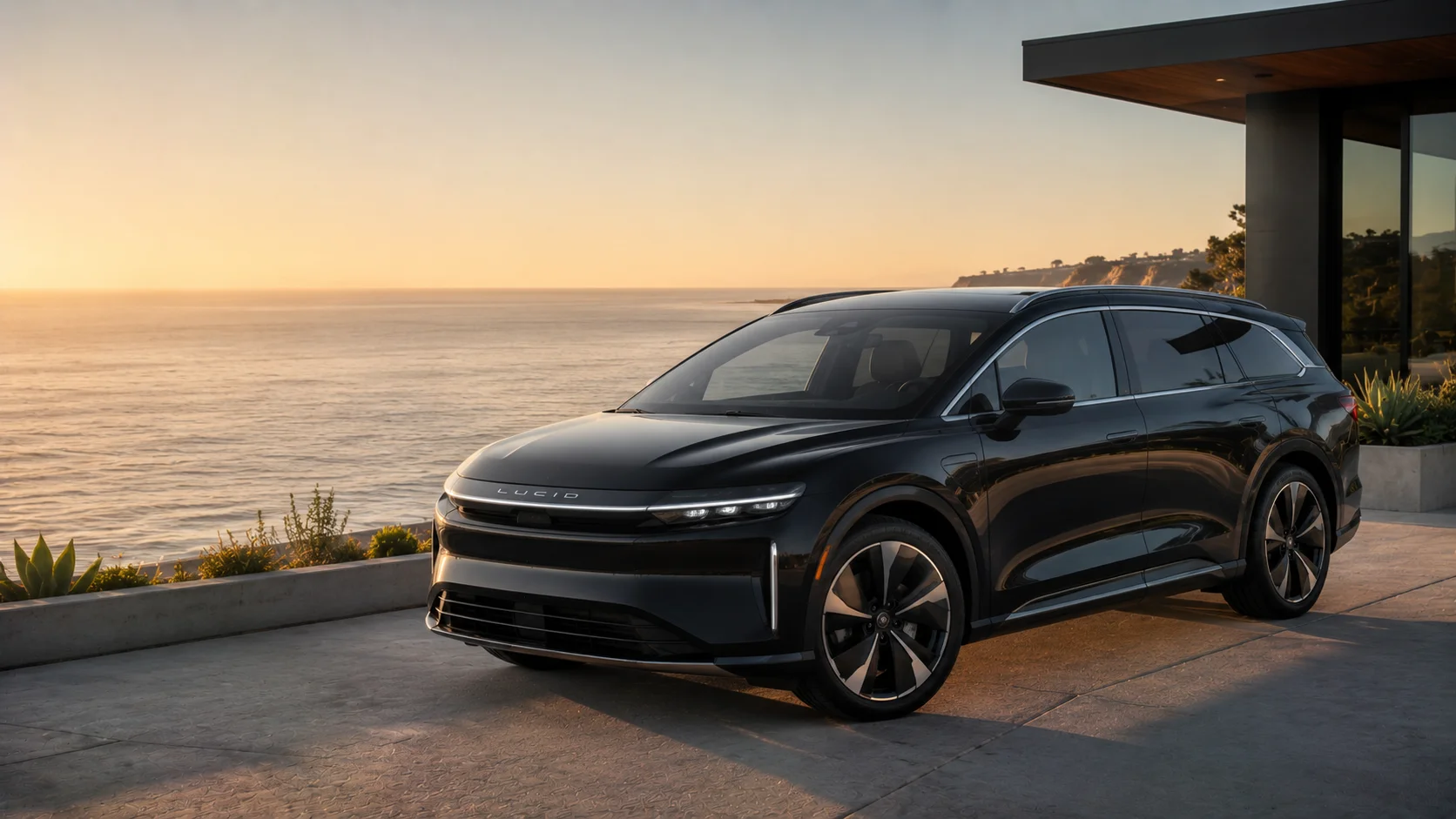
- MSRP$79,9005-yr cost$103,060≈ 34 mi/hrL2 charging
Strong for its class on Livability; trails on Cost of Ownership.
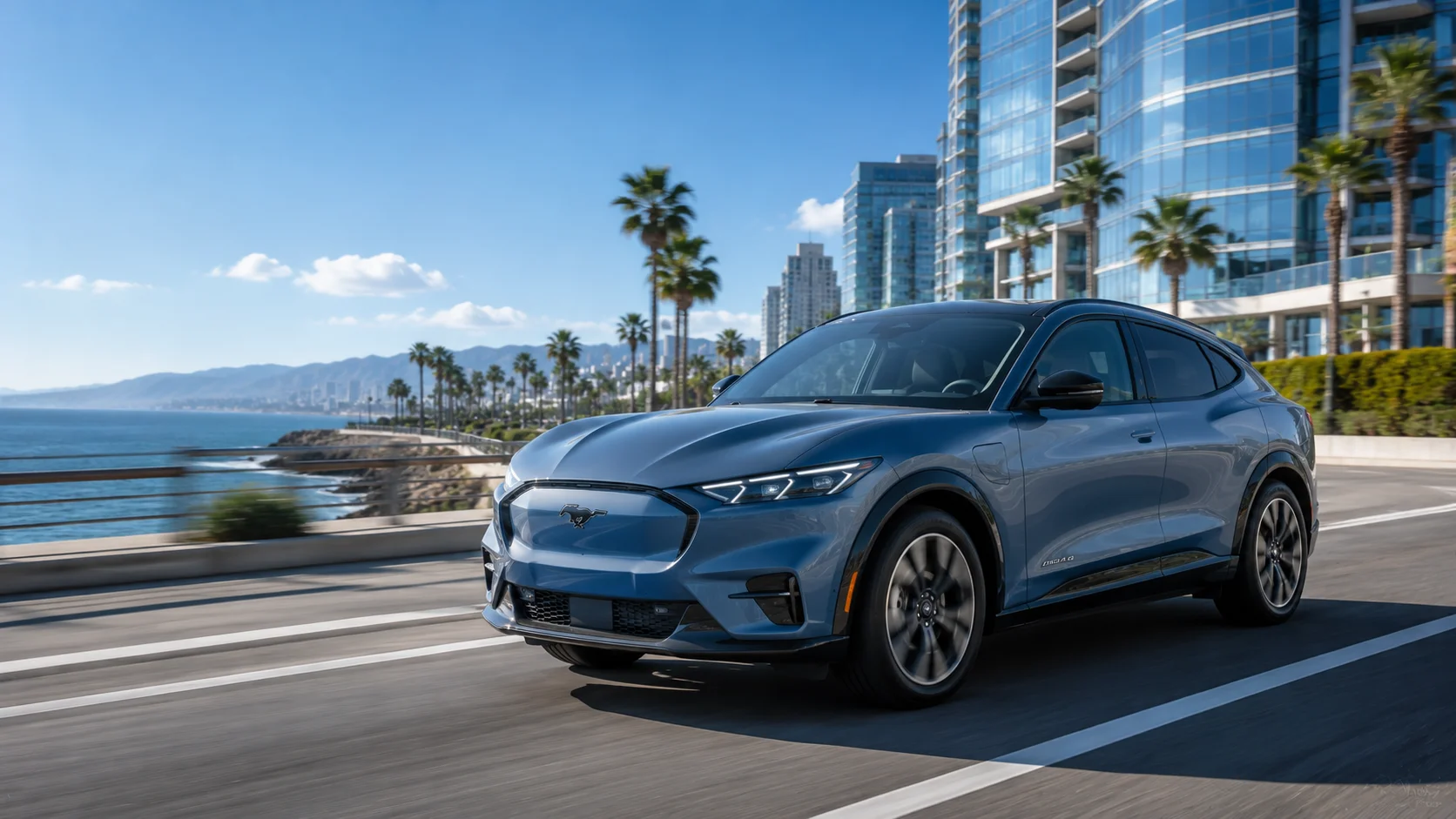
- 2026 Ford Mustang Mach-EPremium Extended Range · ElectricMSRP$45,5955-yr cost$55,669≈ 34 mi/hrL2 charging
Strong for its class on Driver Assistance and Safety; trails on Cost of Ownership.
- MSRP$41,7955-yr cost$51,911≈ 34 mi/hrL2 charging
Strong for its class on Safety; trails on Livability.
- MSRP$49,9005-yr cost$61,193≈ 32 mi/hrL2 charging
Strong for its class on Powertrain; trails on Driver Assistance.
- MSRP$51,7005-yr cost$63,199≈ 32 mi/hrL2 charging
Strong for its class on Driver Assistance; trails on Livability.
- MSRP$39,8005-yr cost$50,277≈ 29 mi/hrL2 charging
Leads its class on Driver Assistance and Safety; trails on Livability.
- MSRP$45,2005-yr cost$56,056≈ 27 mi/hrL2 charging
Strong for its class on Driver Assistance; trails on Livability.
- MSRP$41,3505-yr cost$49,374≈ 27 mi/hrL2 charging
Leads its class on Powertrain; strong on Driver Assistance; trails on Livability.
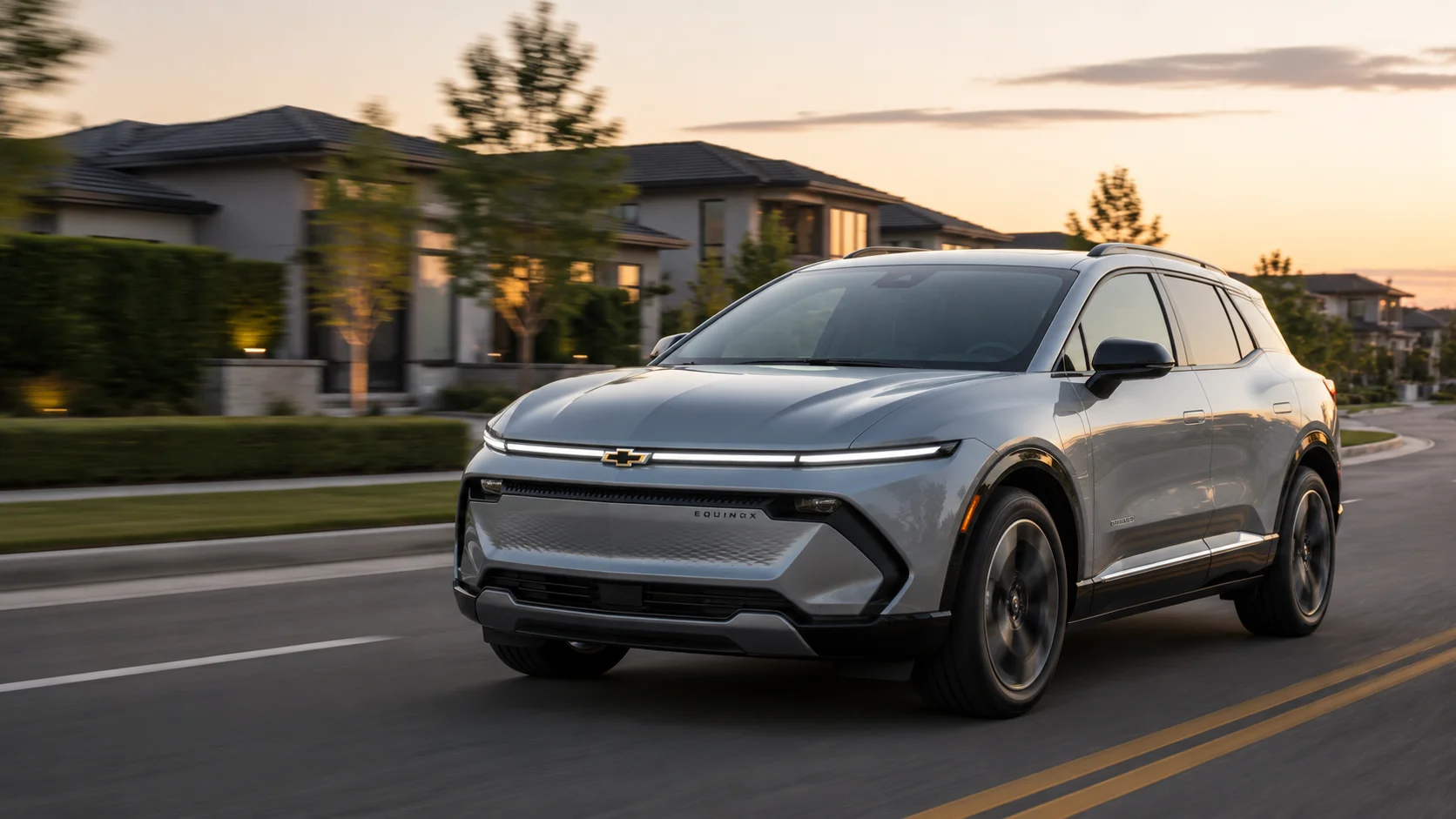
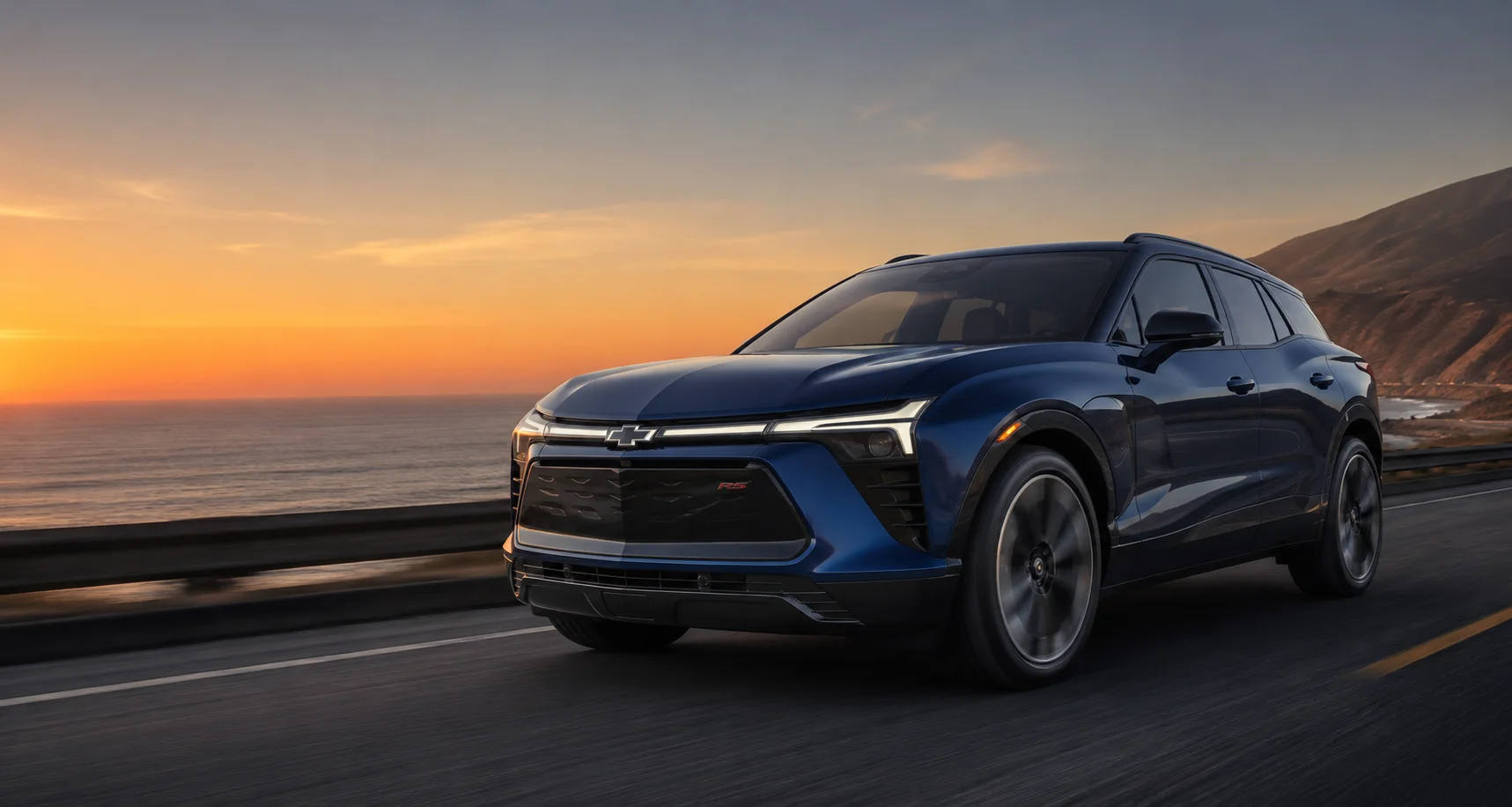
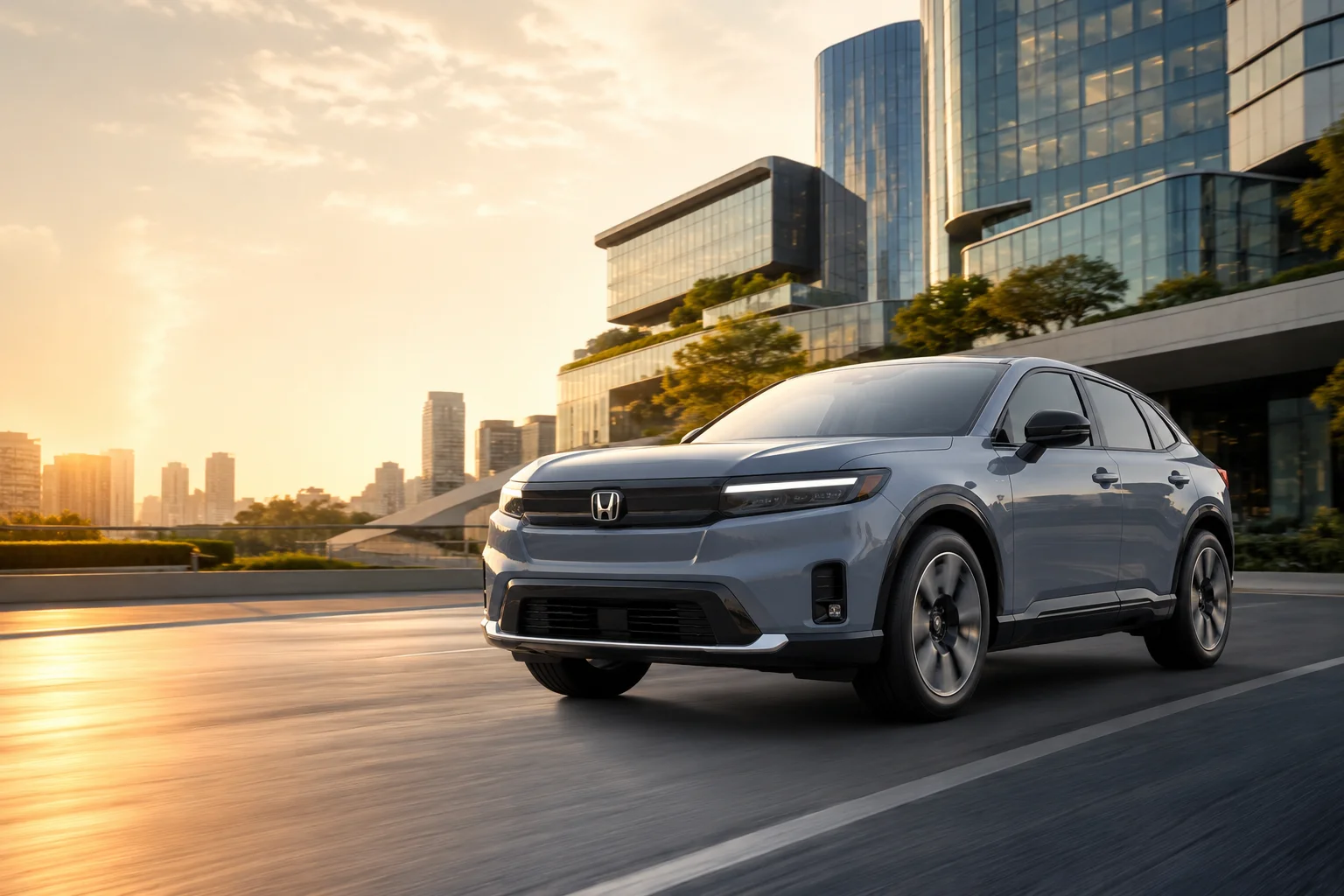
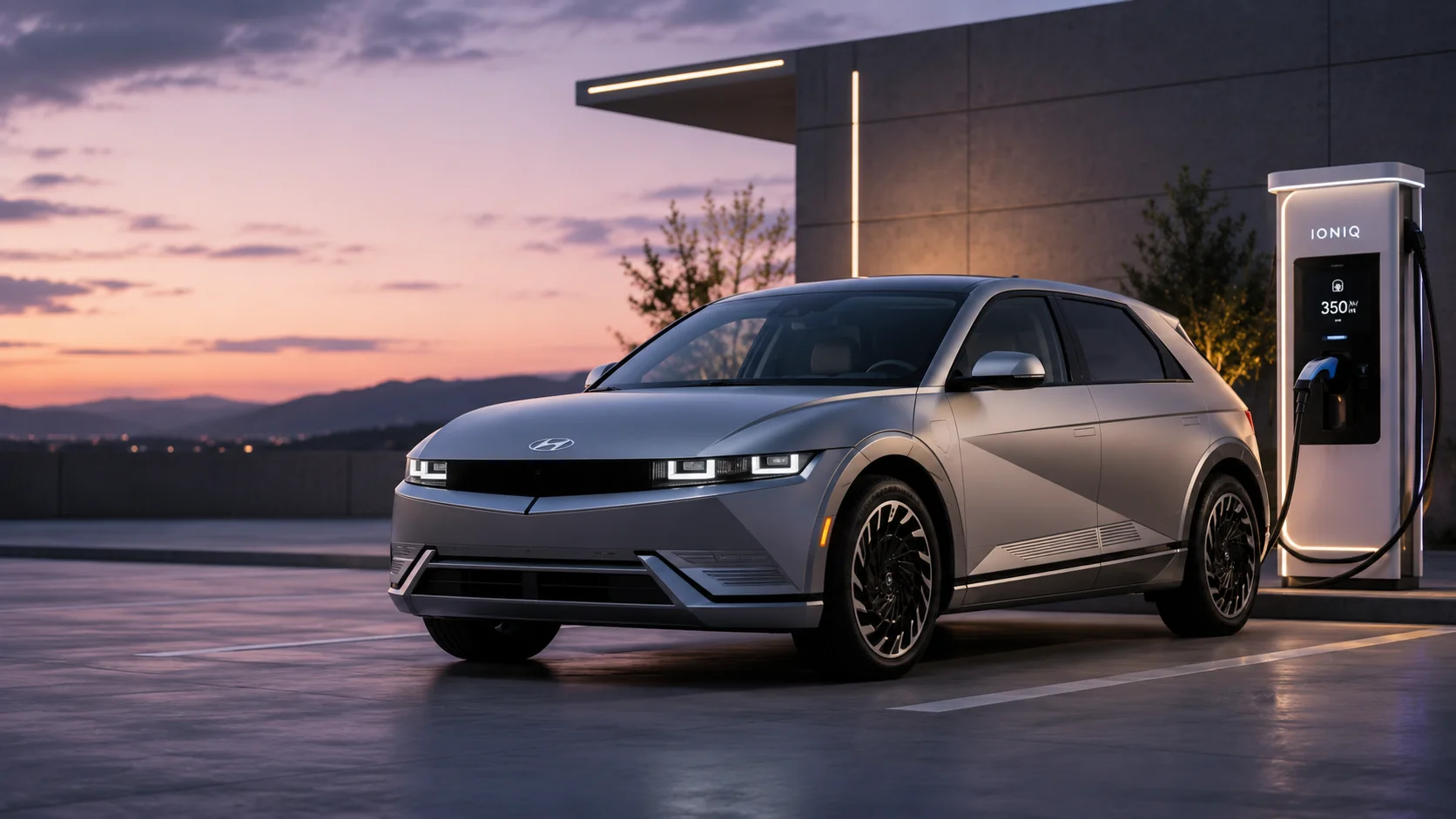
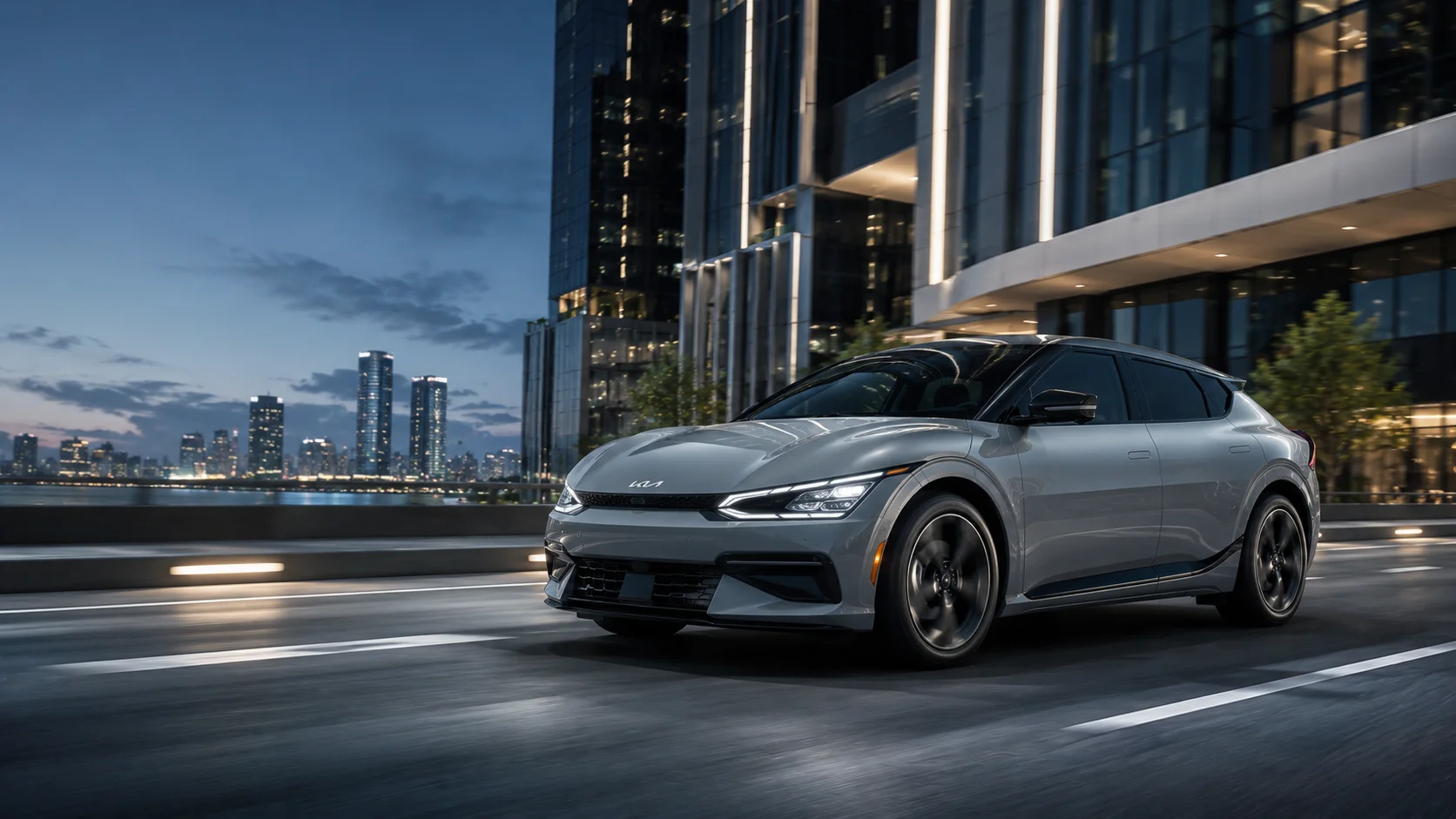
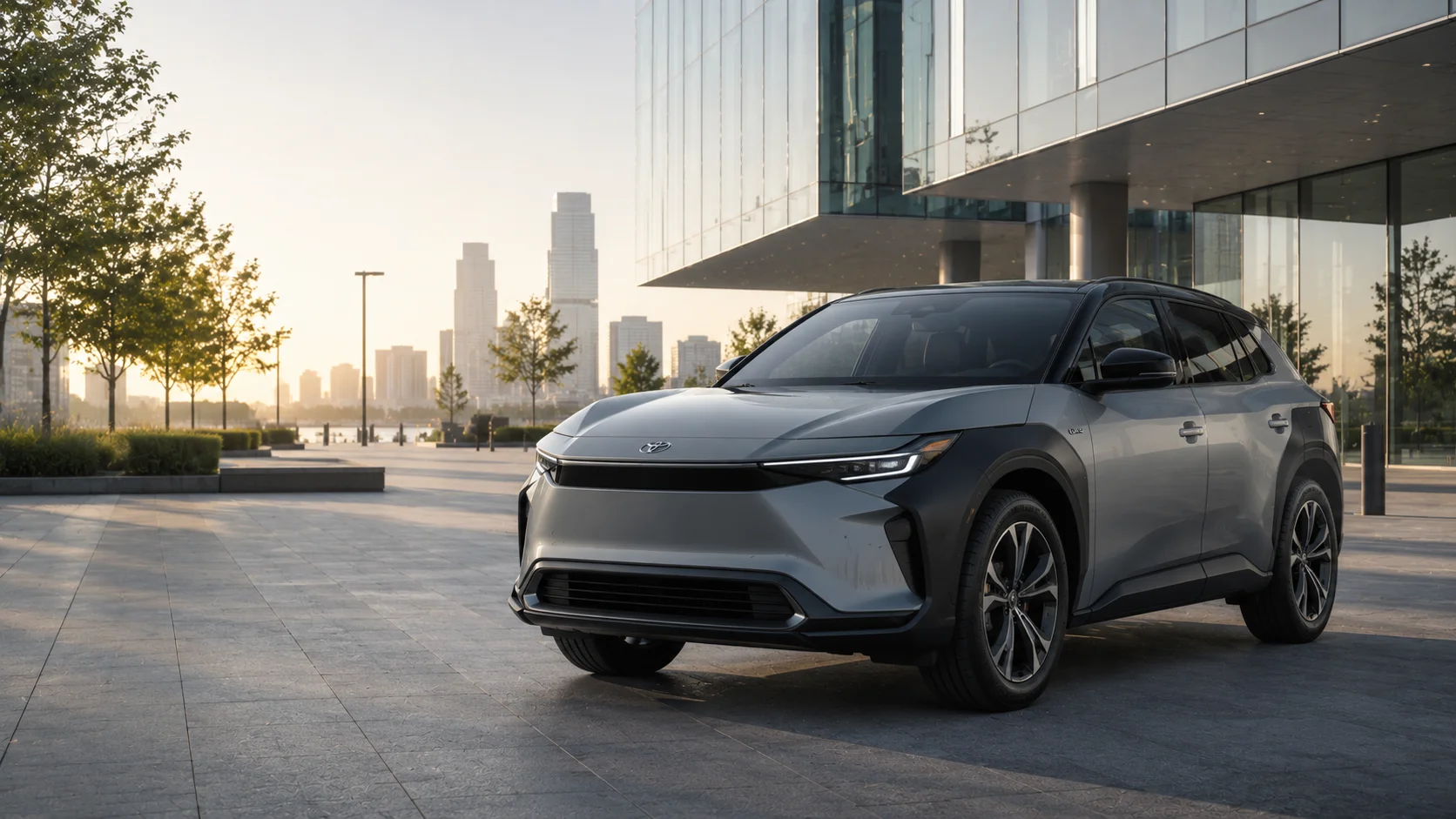
Ranked by l2 charging, with the MotiveGrid composite score (five pillars, safety weighted heaviest) breaking ties. Each pick is the model’s representative mid-range trim. How we score →
Analysis by the MotiveGrid Engineering Team · scores updated 2026-07-25
Keep exploring
Frequently asked questions
- What determines how fast an EV charges at home?
- The car's onboard AC charger sets the ceiling. At home you charge on alternating current, which the car converts to charge the battery; that converter — the onboard charger — caps how many kilowatts the car can draw. A 240V Level 2 circuit supplies plenty, so the car's onboard rating (commonly 7.7, 11, or 11.5 kW) is what decides the speed. We combine that with the car's efficiency to rank by miles of range added per hour.
- Does a bigger breaker or charger make my EV charge faster?
- Only up to the car's onboard limit. If your EV accepts 7.7 kW, a 48-amp charger on a 60-amp breaker won't charge it any faster than a 40-amp setup — the extra capacity goes unused. Size the circuit to the car, not the other way around; our home charger finder shows the right setup for each model.
- Is fast home charging the same as DC fast charging?
- No. This list is about charging at home on AC (Level 1 or Level 2). DC fast charging — the 150–350 kW stations you use on road trips — bypasses the onboard charger and is far faster, but it is not something you install at home. For everyday overnight charging, the onboard AC rate is what matters.