Best EVs for Apartment Living in 2026 (No Home Charger Needed)
Electric vehicles you can live with on a standard 120V wall outlet in 2026 — no Level 2 charger, no electrician, no garage required. Every EV here replenishes a typical daily commute overnight from an ordinary outlet (Level 1), ranked by how many EPA miles that regular outlet returns over a 10-hour charge. Efficient EVs do best: Level 1 power is essentially fixed, so the more miles per kWh, the more daily range a wall plug gives you. Only fully electric vehicles appear, each in its representative trim.
Key numbers
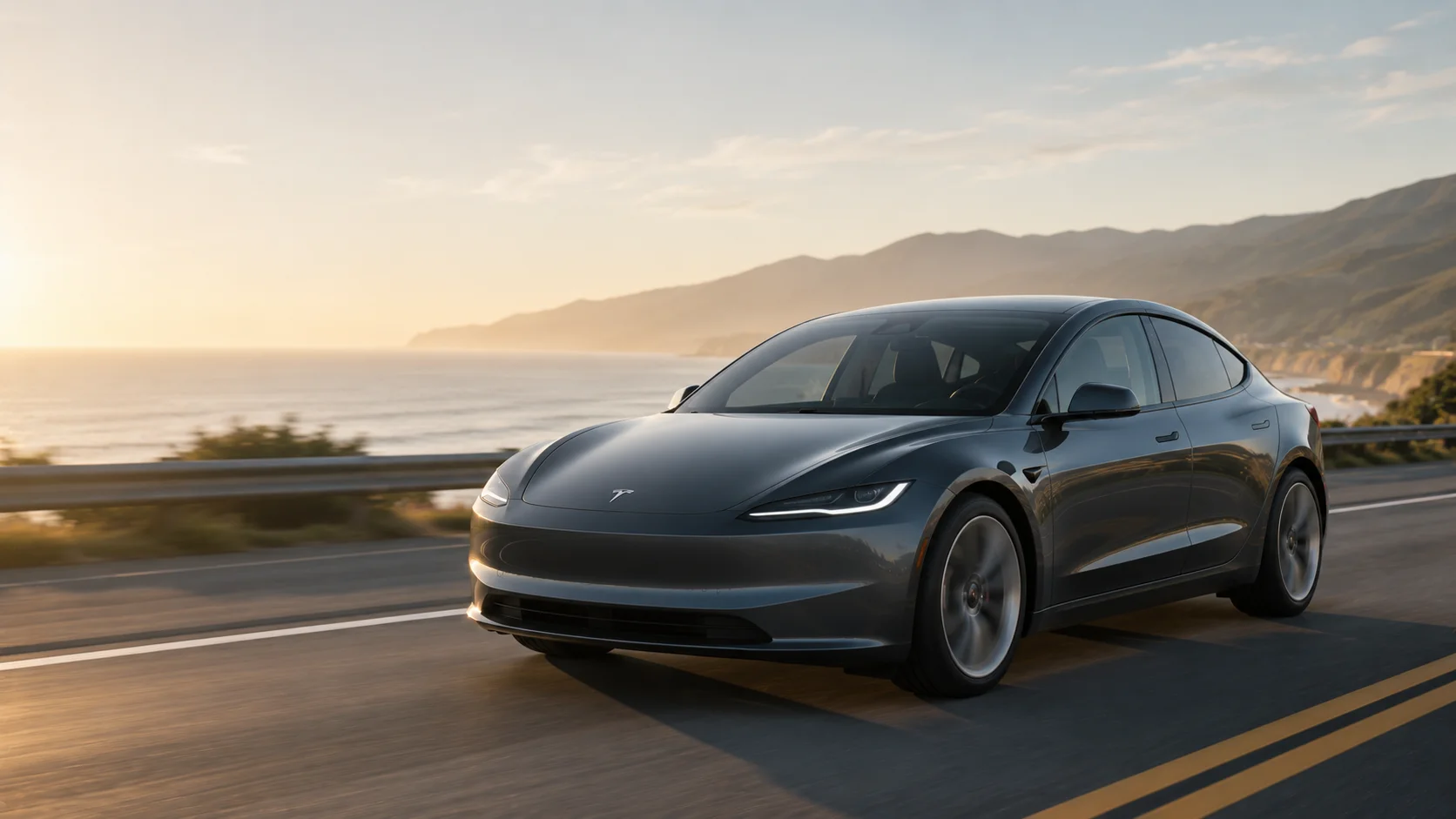
- The 2026 Tesla Model 3 leads MotiveGrid's Best EVs for Apartment Living ranking for 2026 at ≈ 50 mi/night.
- Across all 10 ranked vehicles, overnight standard-outlet range recovery spans ≈ 50 mi/night to ≈ 38 mi/night.
- As-ranked 2026 trims run from $39,800 to $79,900 MSRP.
- The lowest 5-year cost of ownership on this list is $49,374 for the 2026 Toyota bZ — about $823 a month.
How "no home charger needed" is judged
- Every EV here keeps up with a typical 30-mile daily commute on a standard 120V/12A outlet over a 10-hour overnight charge, with a safety margin.
- Ranked by the EPA miles of range a standard outlet returns overnight — more is better, so the most efficient EVs rise to the top.
- Level 1 power is essentially fixed (~1.2 kW after losses), so efficiency, not the onboard charger, decides this ranking.
- Drive a lot more than 30 miles a day, or want faster top-ups? You will likely still want Level 2 — check the Level 1 vs Level 2 tool for your real mileage.
Top pick: the 2026 Tesla Model 3 (Standard outlet ≈ 50 mi/night). Below, the full ranking from 1 to 10.
- MSRP$42,4905-yr cost$53,853≈ 50 mi/nightStandard outlet
Strong for its class on Powertrain.
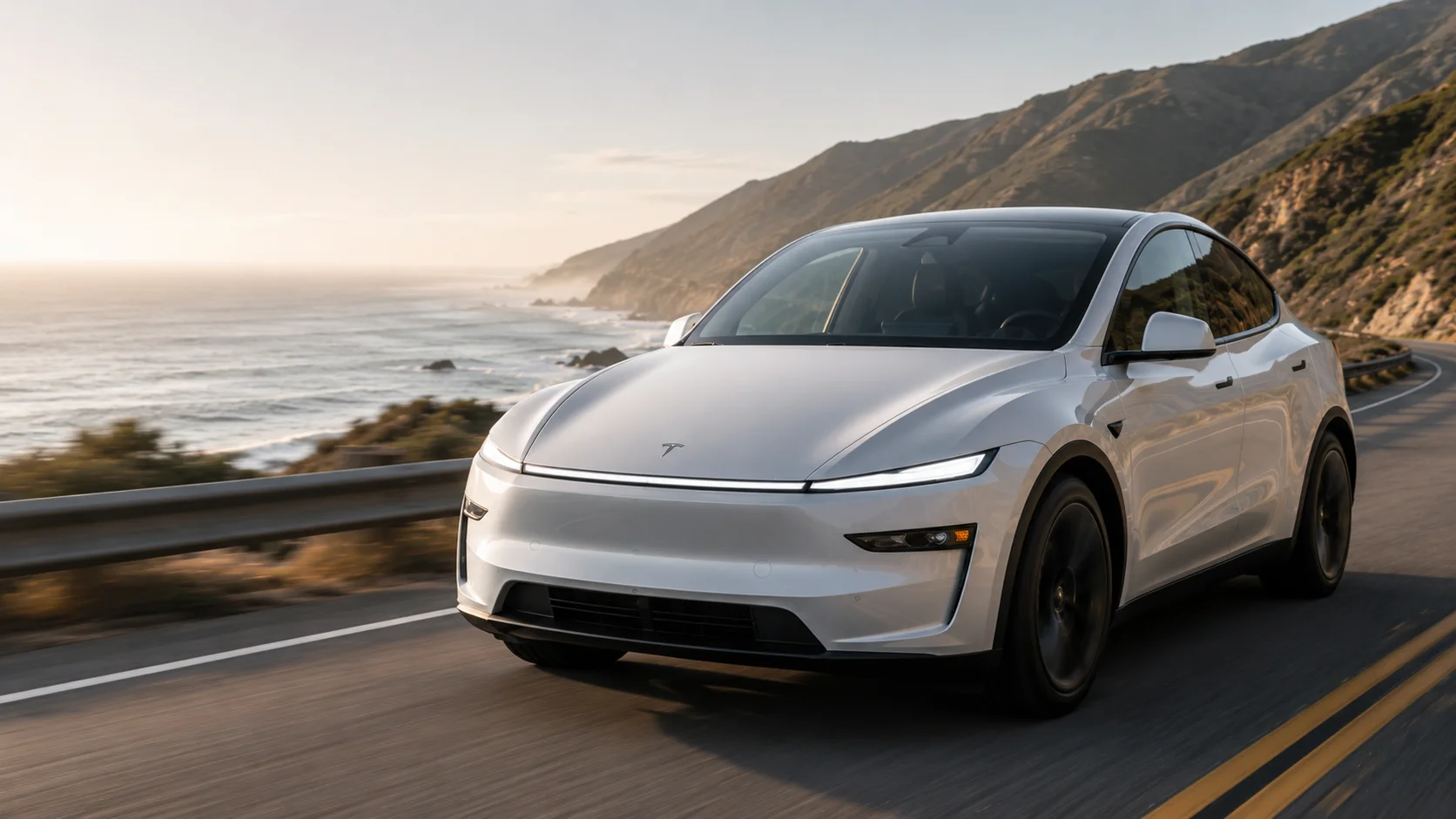
- 2026 Tesla Model YPremium Rear-Wheel Drive · ElectricMSRP$45,9905-yr cost$58,434≈ 49 mi/nightStandard outlet
Leads its class on Safety; strong on Powertrain; trails on Driver Assistance.
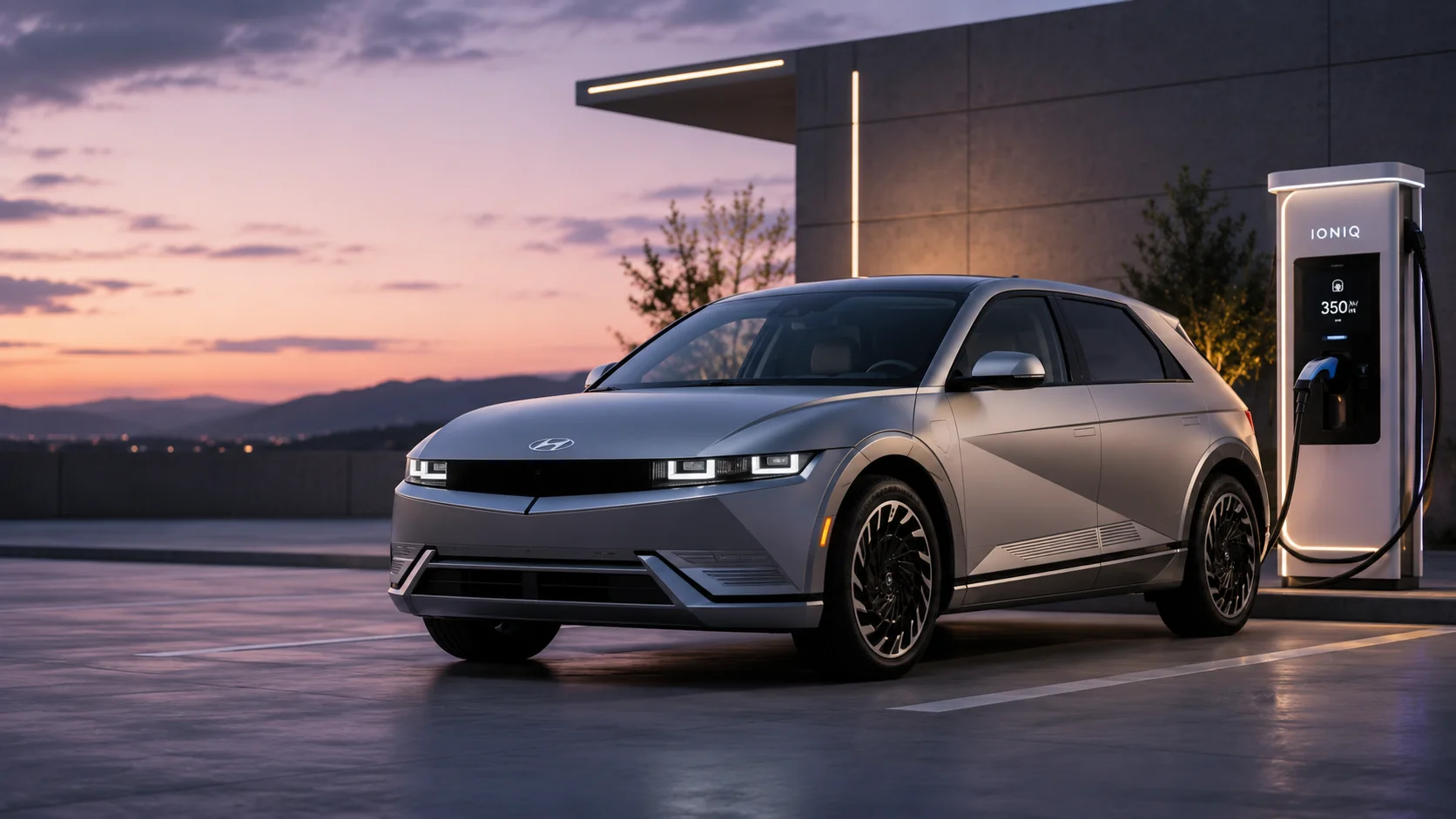
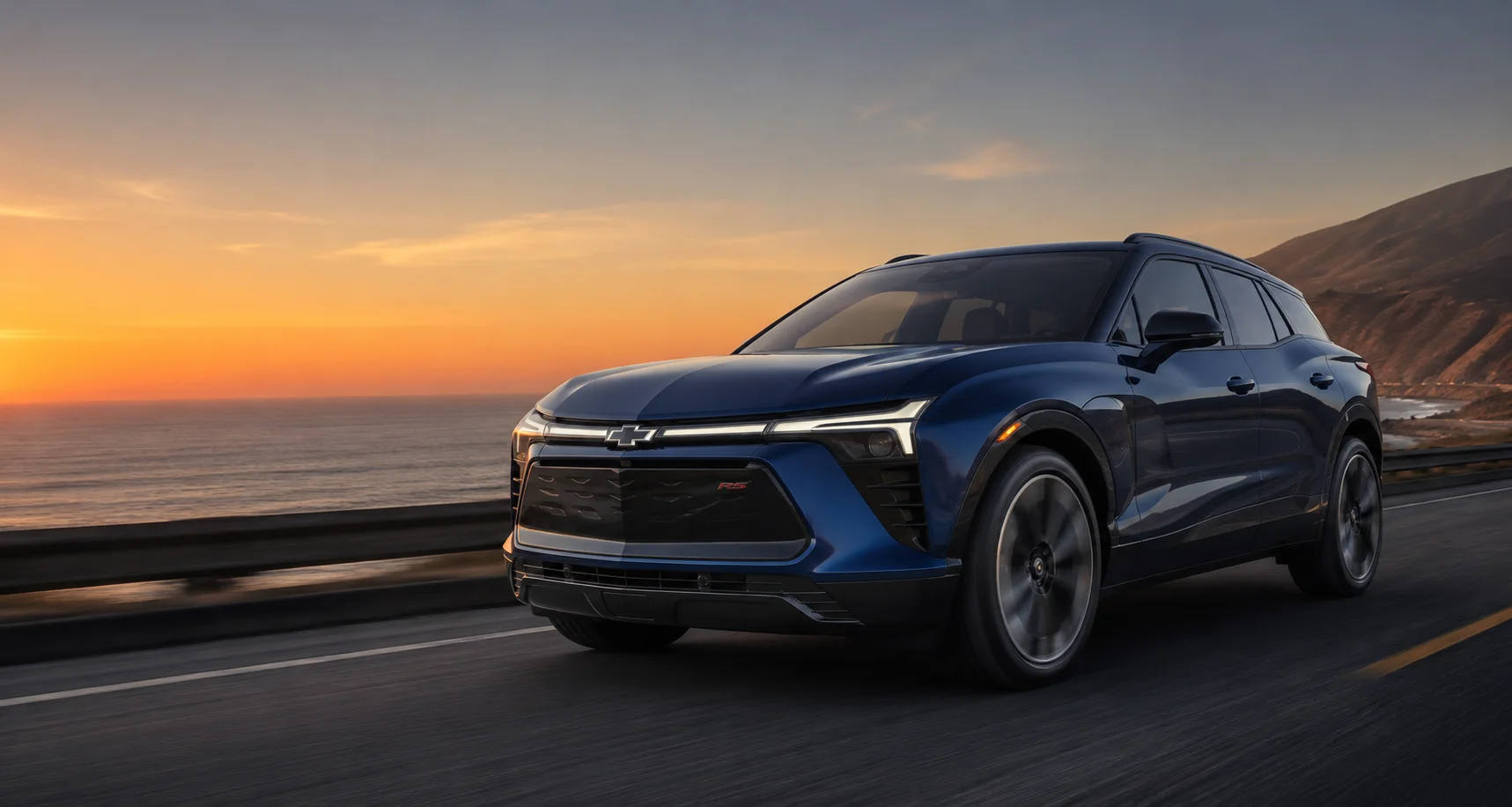
- MSRP$39,8005-yr cost$50,277≈ 41 mi/nightStandard outlet
Leads its class on Driver Assistance and Safety; trails on Livability.
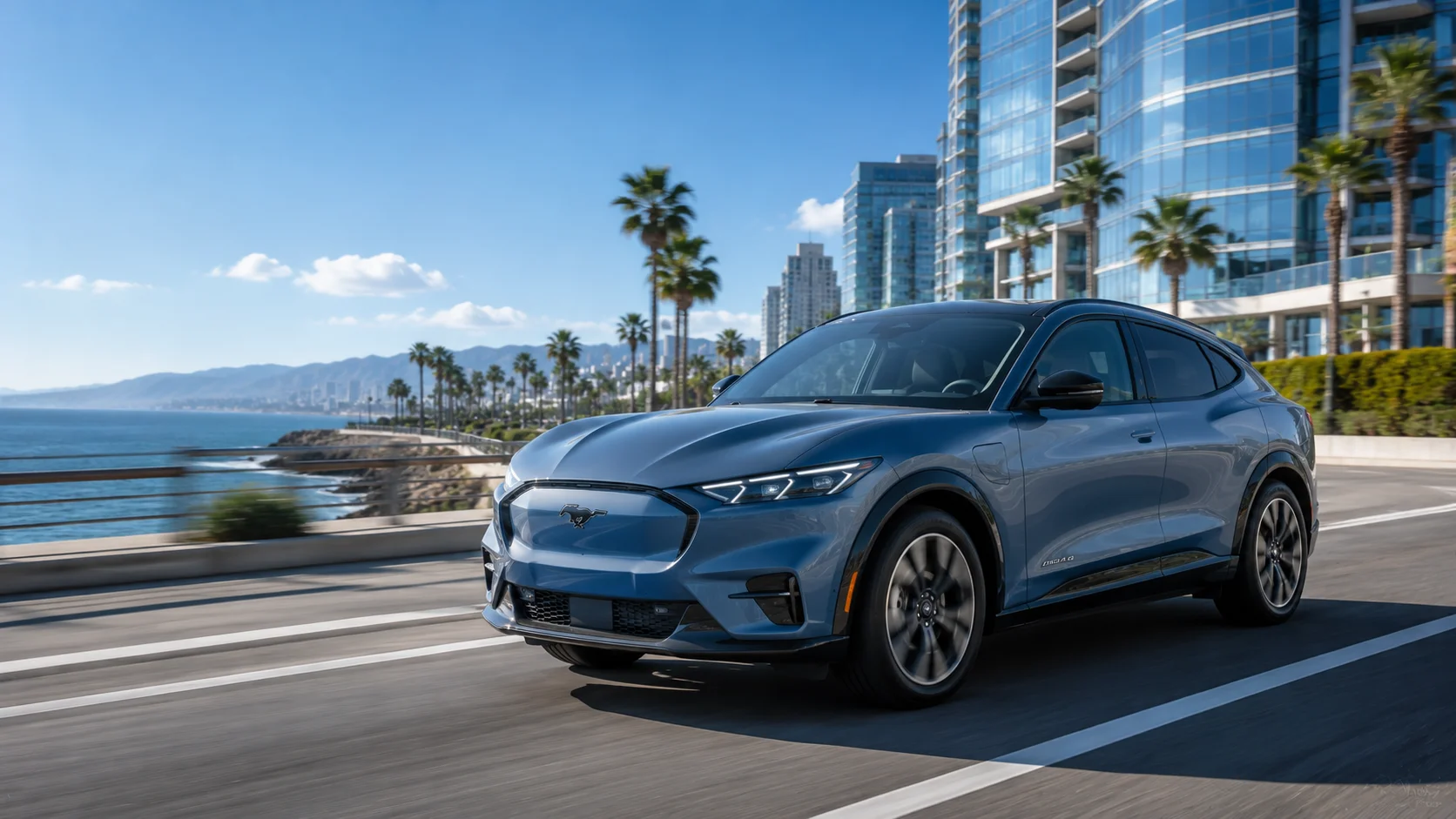
- 2026 Ford Mustang Mach-EPremium Extended Range · ElectricMSRP$45,5955-yr cost$55,669≈ 40 mi/nightStandard outlet
Strong for its class on Driver Assistance and Safety; trails on Cost of Ownership.
- MSRP$79,9005-yr cost$103,060≈ 40 mi/nightStandard outlet
Strong for its class on Livability; trails on Cost of Ownership.
- MSRP$41,7955-yr cost$51,911≈ 40 mi/nightStandard outlet
Strong for its class on Safety; trails on Livability.
- MSRP$45,2005-yr cost$56,056≈ 38 mi/nightStandard outlet
Strong for its class on Driver Assistance; trails on Livability.
- MSRP$41,3505-yr cost$49,374≈ 38 mi/nightStandard outlet
Leads its class on Powertrain; strong on Driver Assistance; trails on Livability.
- MSRP$49,9005-yr cost$61,193≈ 38 mi/nightStandard outlet
Strong for its class on Powertrain; trails on Driver Assistance.
- MSRP$51,7005-yr cost$63,199≈ 38 mi/nightStandard outlet
Strong for its class on Driver Assistance; trails on Livability.
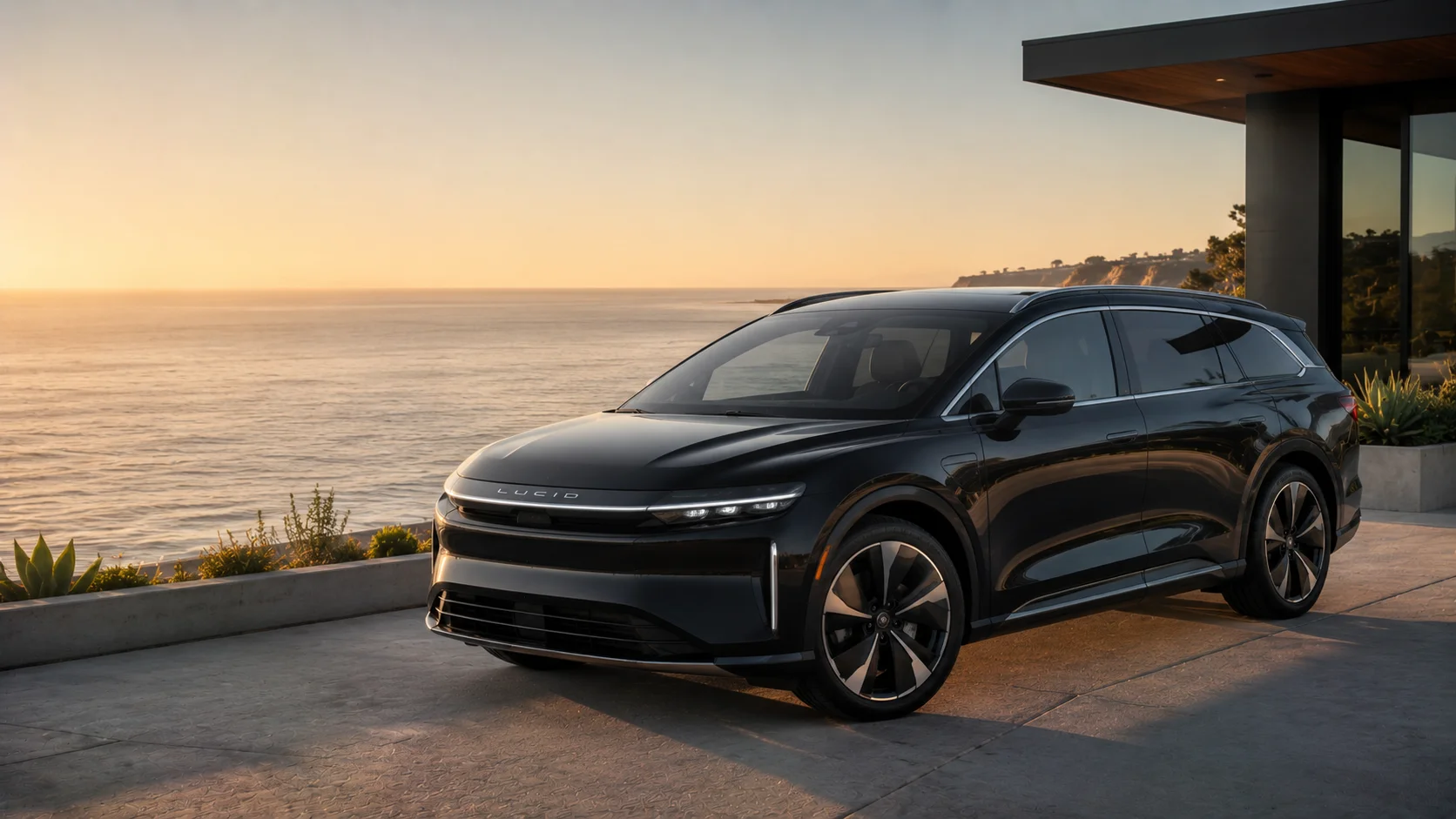
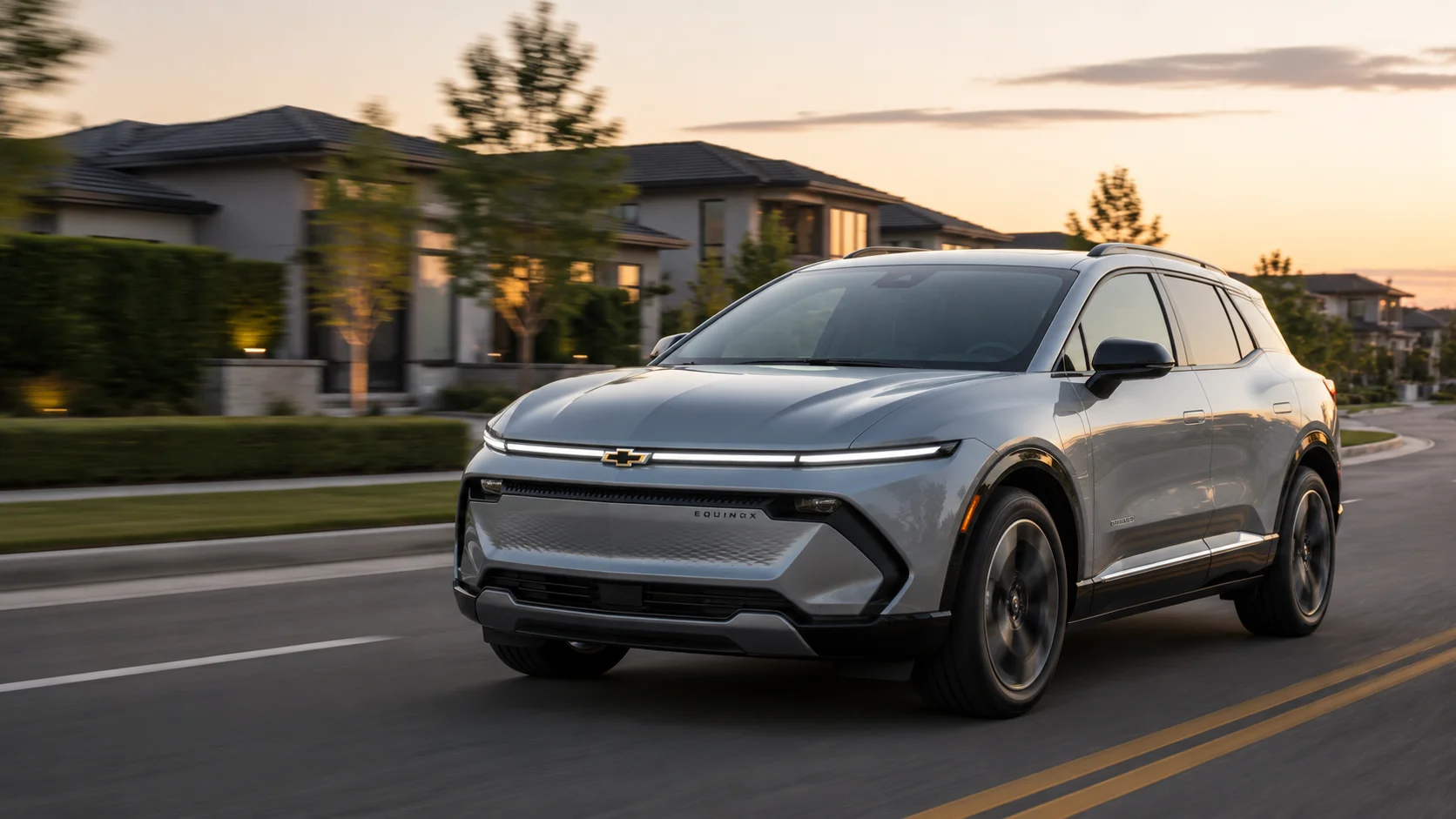
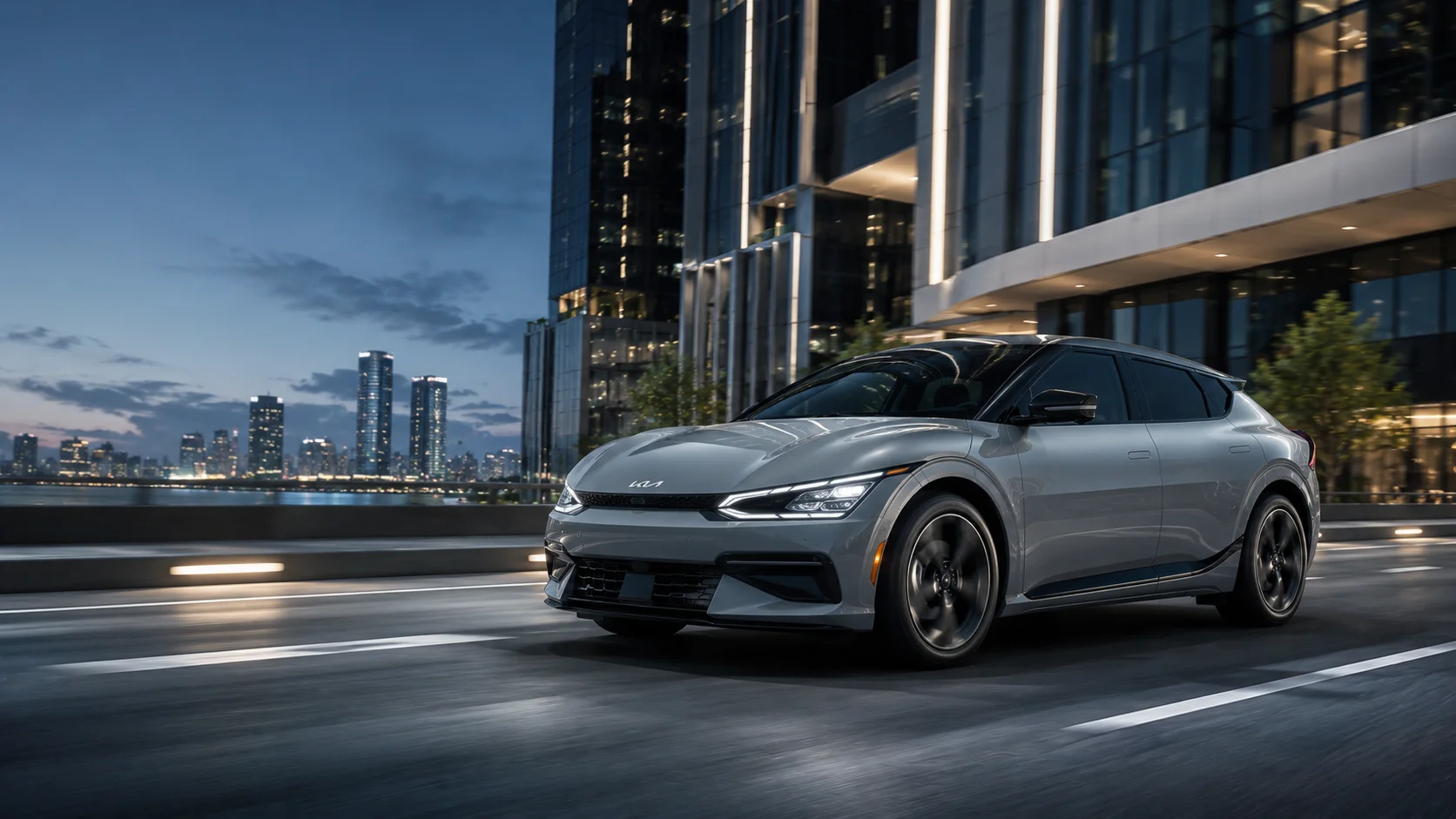
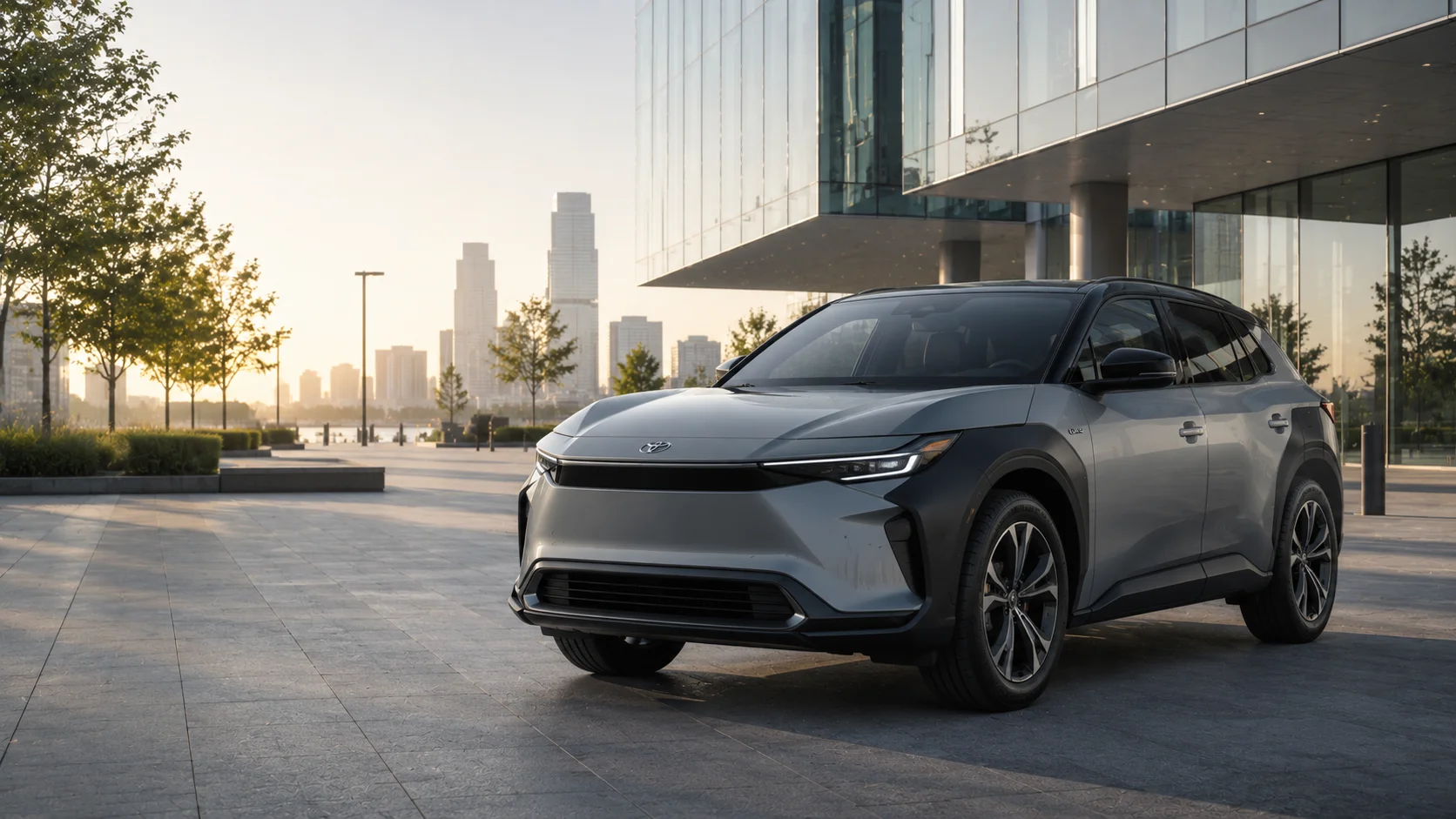

Ranked by standard outlet, with the MotiveGrid composite score (five pillars, safety weighted heaviest) breaking ties. Each pick is the model’s representative mid-range trim. How we score →
Analysis by the MotiveGrid Engineering Team · scores updated 2026-07-25
Frequently asked questions
- Can you own an EV without a home charger?
- Often, yes. A standard 120V wall outlet (Level 1) adds roughly 30–45 miles of range over a 10-hour overnight charge for an efficient EV — enough to cover a typical daily commute with no installation. Every EV on this list clears that bar. If you regularly drive much farther, or cannot leave the car plugged in overnight, a Level 2 charger or reliable workplace/public charging makes more sense.
- How many miles does a standard outlet add overnight?
- A 120V/12A outlet delivers about 1.2 kW after charging losses — roughly 12 kWh over a 10-hour night. For an efficient EV that is about 35–45 miles of range; for a heavy, less-efficient EV it is less. The figure beside each car is the EPA miles a standard outlet replenishes overnight.
- Which EVs are best for apartment dwellers?
- The most efficient ones. Because Level 1 power is essentially fixed, the EVs that travel farthest per kWh return the most daily range from a regular outlet — they top this list. The ranking is built from each car's EPA efficiency and assumes a typical 30-mile daily commute charged overnight.