Best Driver Assistance of 2026
The vehicles with the most capable driver assistance of 2026, ranked by class. The Driver Assistance score combines three things a car can do to take load off the driver: highway assistance (adaptive cruise control and lane centering), parking assistance (cameras, sensors, and automated parking), and how far the system can drive hands-free on supported roads. Only standard equipment counts — optional driver-assistance packages and subscriptions are not scored — so each ranking reflects what every buyer of that model actually gets. Vehicles are ranked within their class so each system competes against same-size peers.
Adaptive cruise control and lane centering that hold your speed, following distance, and lane position on the highway — the help you lean on every commute.
Weighted most heavily. More standard highway capability — full-speed adaptive cruise, lane centering, traffic-jam assist — moves the score the most.
How far the system can drive hands-free on supported roads — from none, to mapped highways, to supervised local streets.
The next-largest factor. Points climb with how far the car drives itself and how little supervision it needs.
Surround cameras, proximity sensors, and automated parking that take the stress out of tight spots and reversing.
A smaller factor. Scored on how much of the parking task the car can see and handle for you — cameras, sensors, self-parking.
Key numbers
- As-ranked 2026 trims run from $26,375 to $90,250 MSRP.
- The lowest 5-year cost of ownership on this list is $33,787 for the 2026 Toyota Corolla — about $563 a month.
How driver assistance is scored
- Three components combine into the score: highway assistance (adaptive cruise control, lane centering, traffic-jam assist), parking assistance (surround cameras, sensors, automated parking), and automation capability — how far the system drives hands-free.
- Highway assistance carries the most weight, followed by automation capability, then parking assistance.
- Only standard driver-assistance equipment is scored. Optional packages, subscriptions, and dealer add-ons are not counted — so the ranking matches what every buyer of that model receives.
- Ranked by class — compact SUV, midsize SUV, 3-row SUV, sedan, truck, and EV — so each system competes against same-segment peers. The full MotiveGrid composite breaks ties.
How to read these scores: the scale is strict because only standard equipment counts. Across all 78 vehicles we score for 2026, the median Driver Assistance score is 43 and the best is 73 — no car reaches the top of the 0–100 range on standard equipment alone. A class winner in the 40s or 50s is leading its field, not failing it.
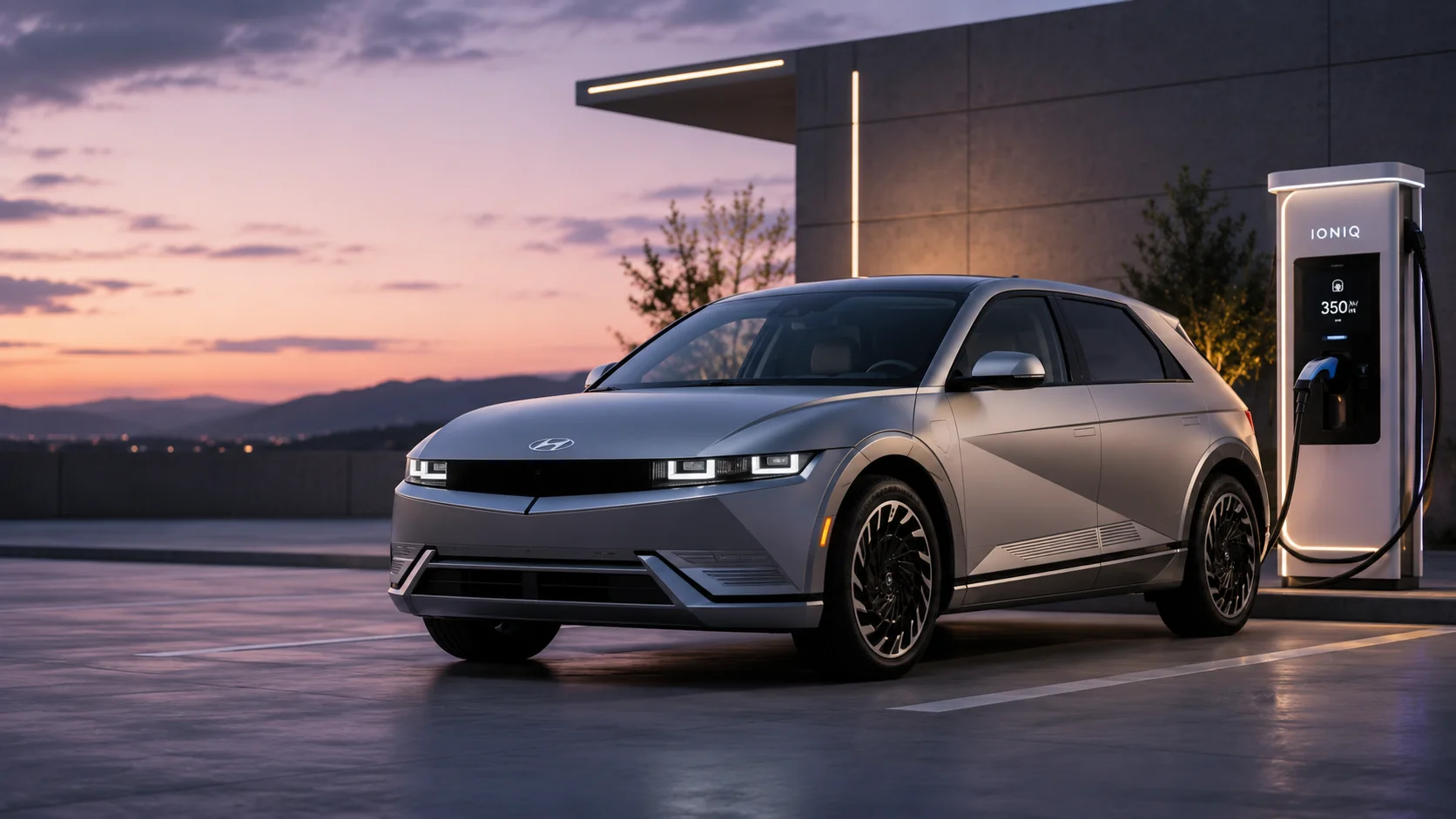
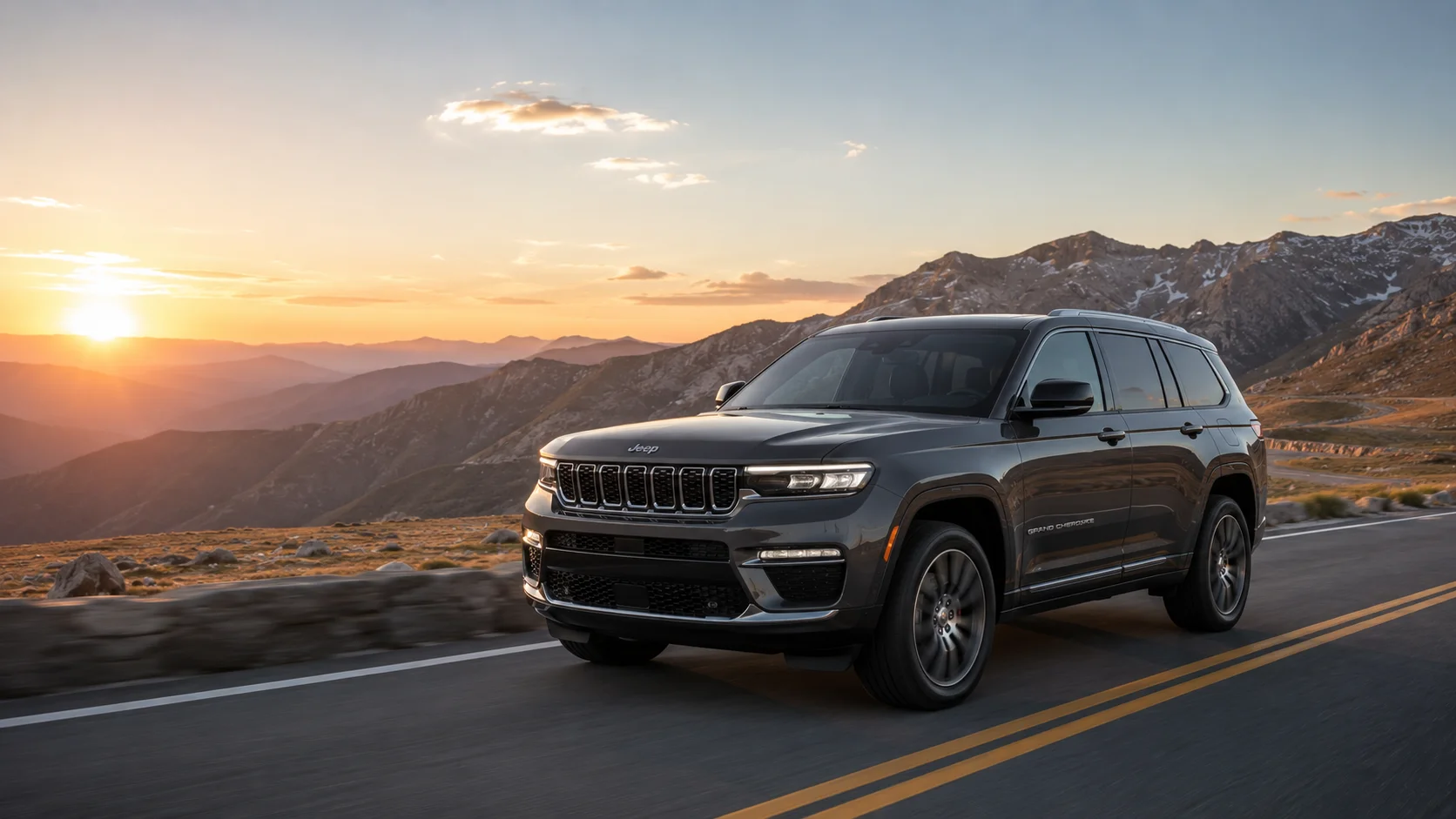
Category winners: Driver Assistance — Compact SUV — Hyundai IONIQ 5 · Driver Assistance — Midsize SUV — Jeep Grand Cherokee · Driver Assistance — 3-Row SUV — Mercedes-Benz GLS · Driver Assistance — Sedan — Ford Mustang · Driver Assistance — Truck — Ram 1500 · Driver Assistance — EV — Hyundai IONIQ 5.
Best Driver Assistance — Compact SUV
The compact SUVs with the most capable standard driver assistance, ranked by driver-assist score.
- MSRP$39,8005-yr cost$50,27770Driver Assist
Leads its class on Driver Assistance and Safety; trails on Livability.
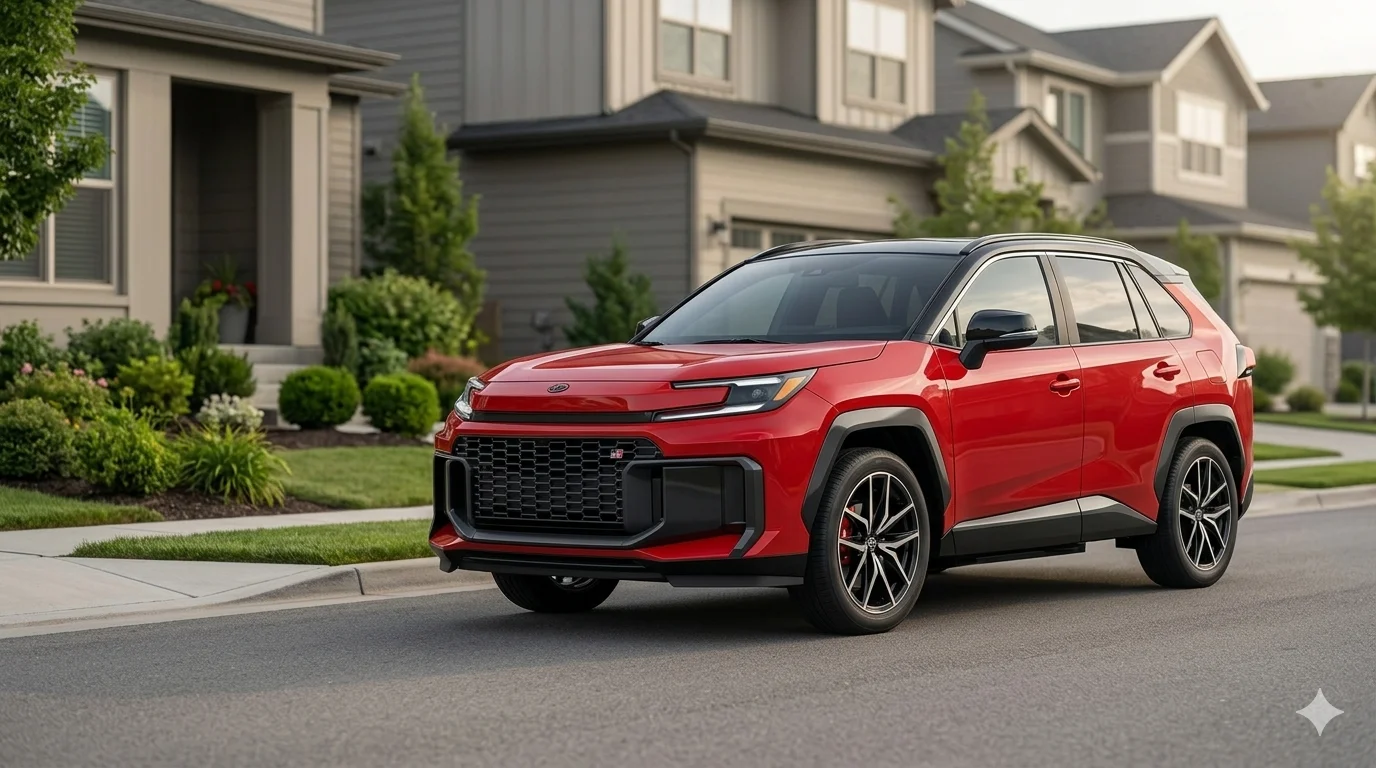
- 2026 Toyota RAV4 Plug-in HybridXSE · Plug-in HybridMSRP$48,3105-yr cost$46,11357Driver Assist
Strong for its class on Driver Assistance and Cost of Ownership.
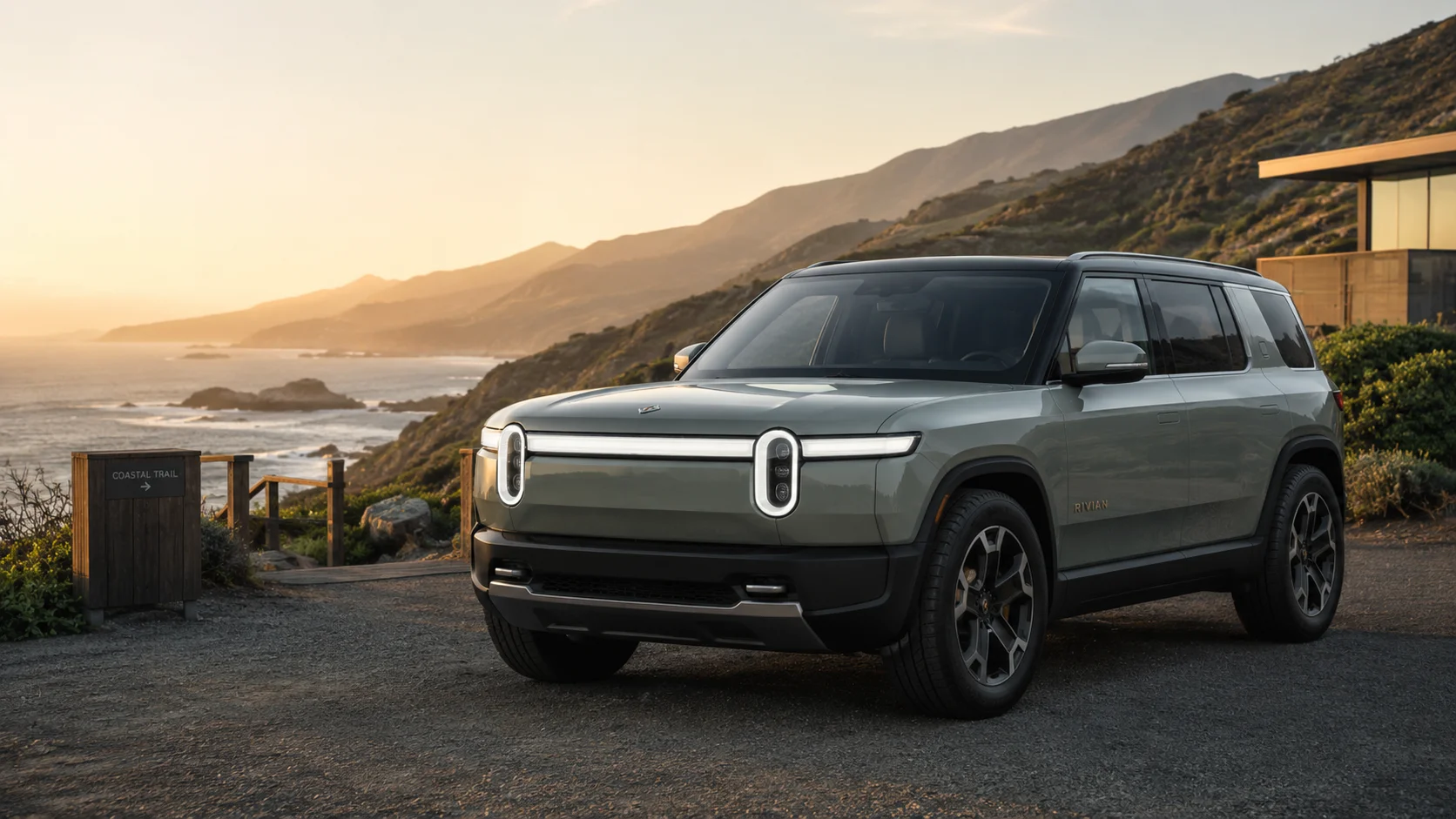
- MSRP$53,9905-yr cost$59,12857Driver Assist
Strong for its class on Driver Assistance and Powertrain; trails on Safety.
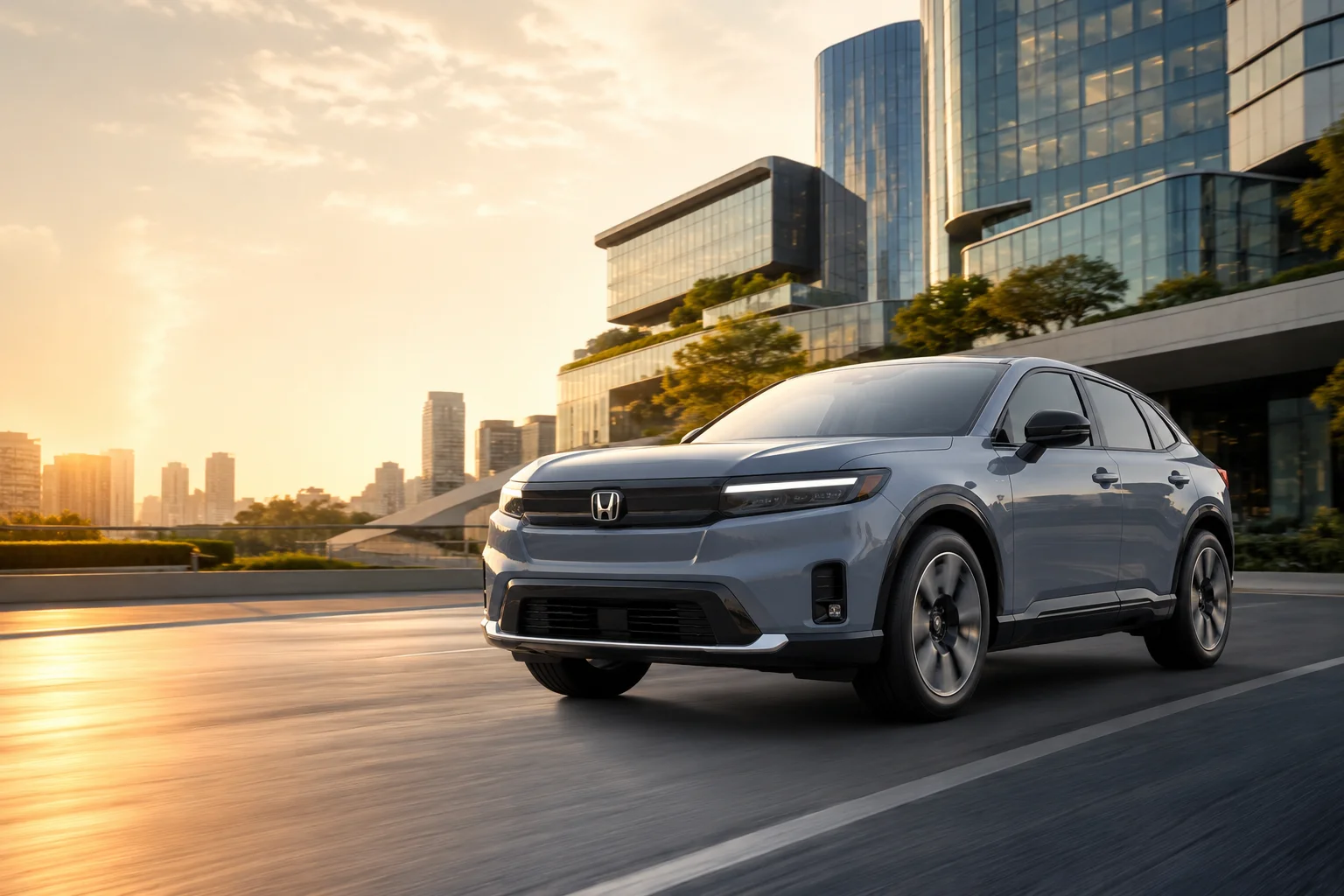
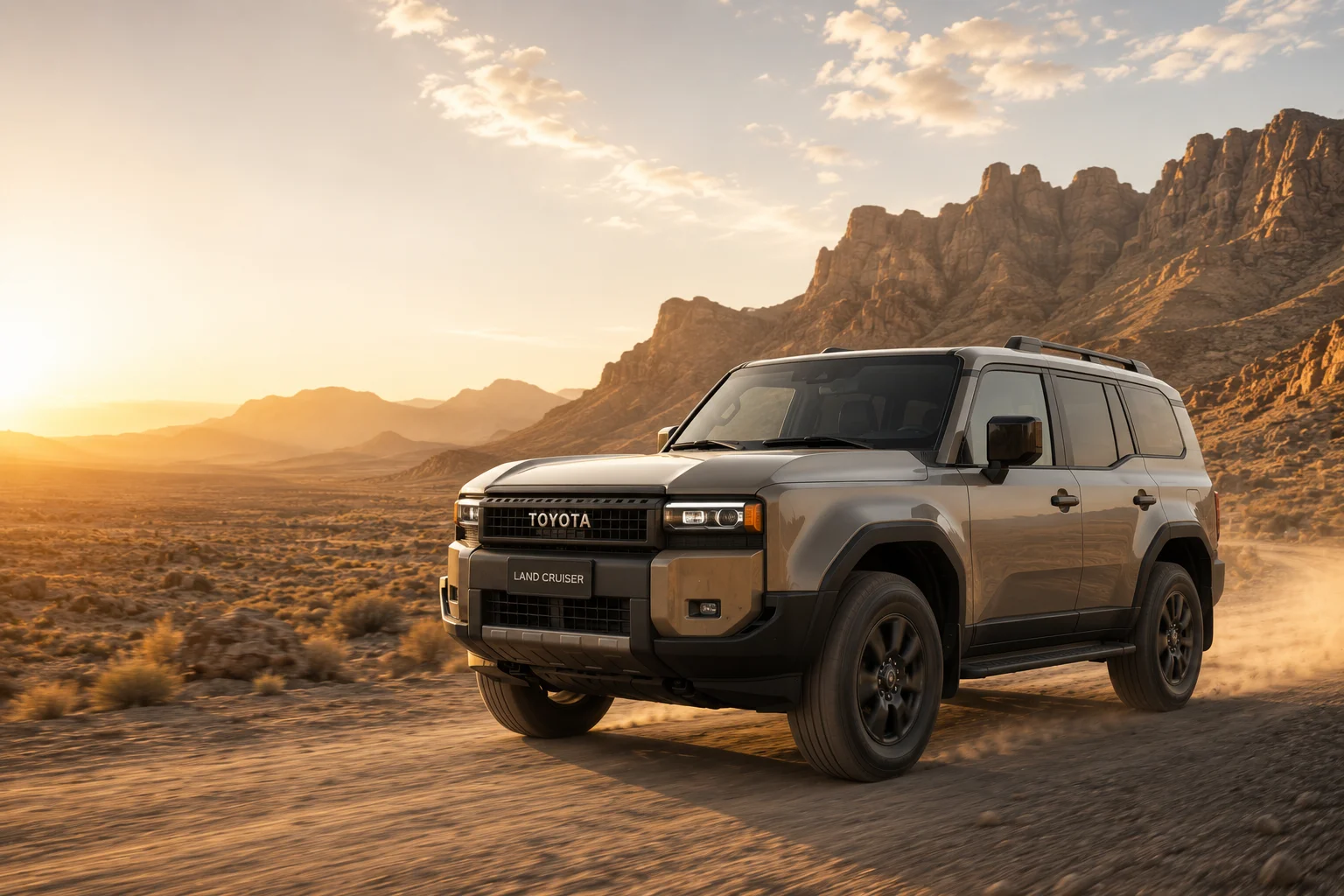
Best Driver Assistance — Midsize SUV
Two-row midsize SUVs with the strongest standard highway, parking, and automation assistance.
- MSRP$47,9955-yr cost$65,95152Driver Assist
Leads its class on Driver Assistance; trails on Cost of Ownership.
- MSRP$51,7005-yr cost$63,19949Driver Assist
Strong for its class on Driver Assistance; trails on Livability.
- MSRP$57,8805-yr cost$65,64949Driver Assist
Strong for its class on Driver Assistance; trails on Livability.
Best Driver Assistance — 3-Row SUV
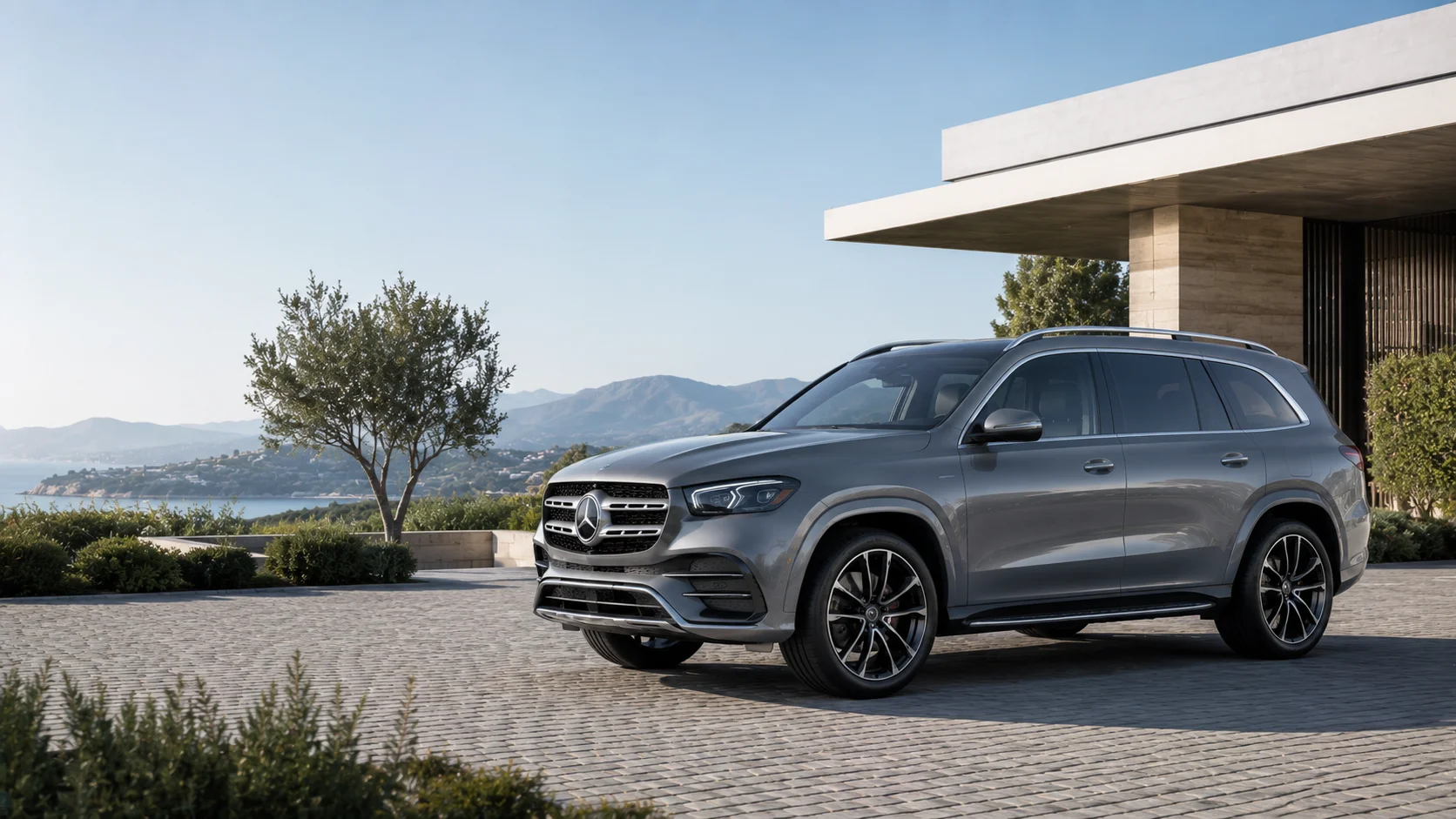
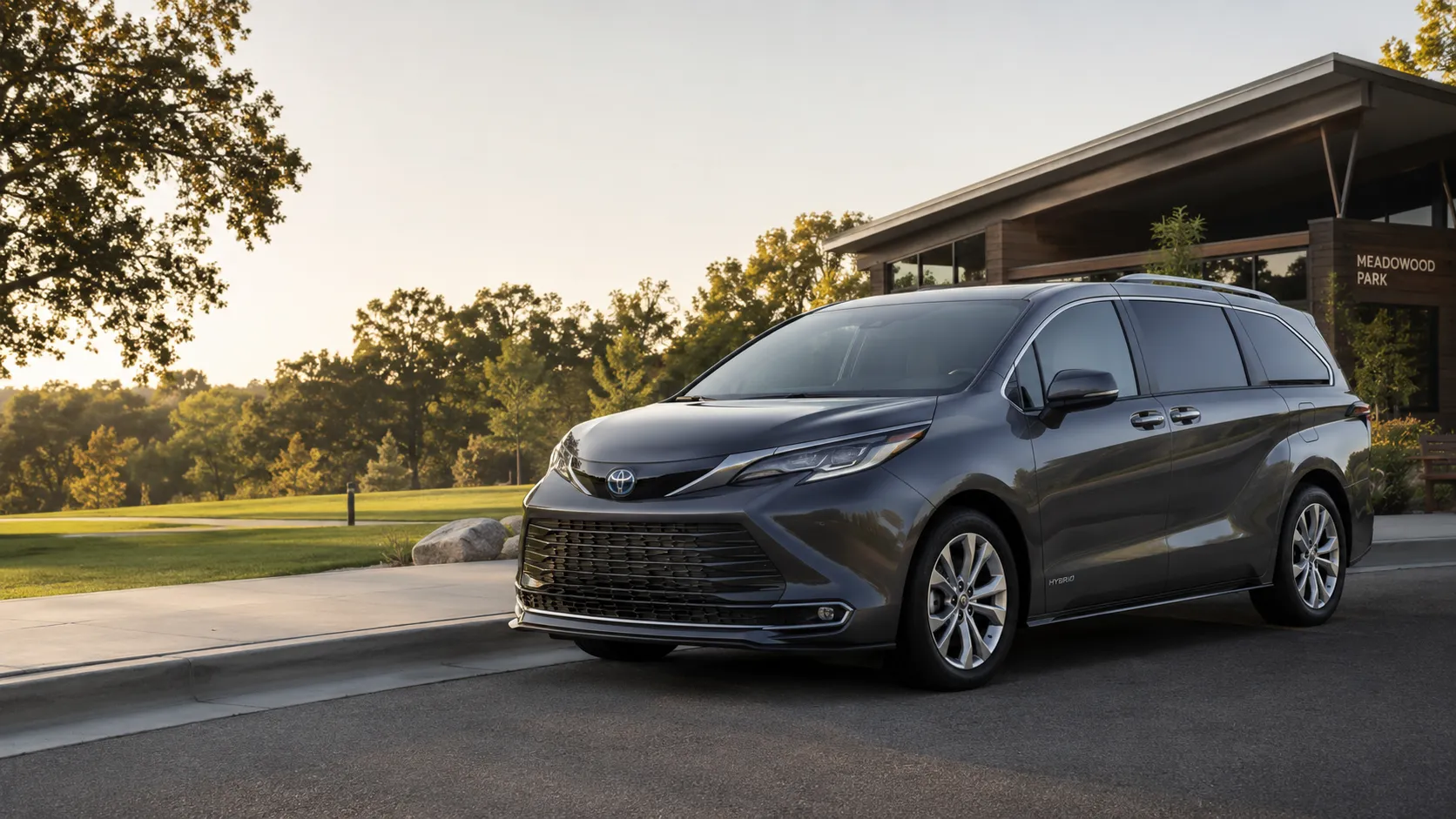
Three-row SUVs with the most capable standard driver-assistance suite.
- MSRP$90,2505-yr cost$103,91670Driver Assist
Leads its class on Driver Assistance; trails on Cost of Ownership.
- MSRP$51,5055-yr cost$55,15157Driver Assist
Strong for its class on Cost of Ownership and Driver Assistance.
- MSRP$49,7705-yr cost$66,06257Driver Assist
Leads its class on Livability; strong on Driver Assistance; trails on Powertrain.
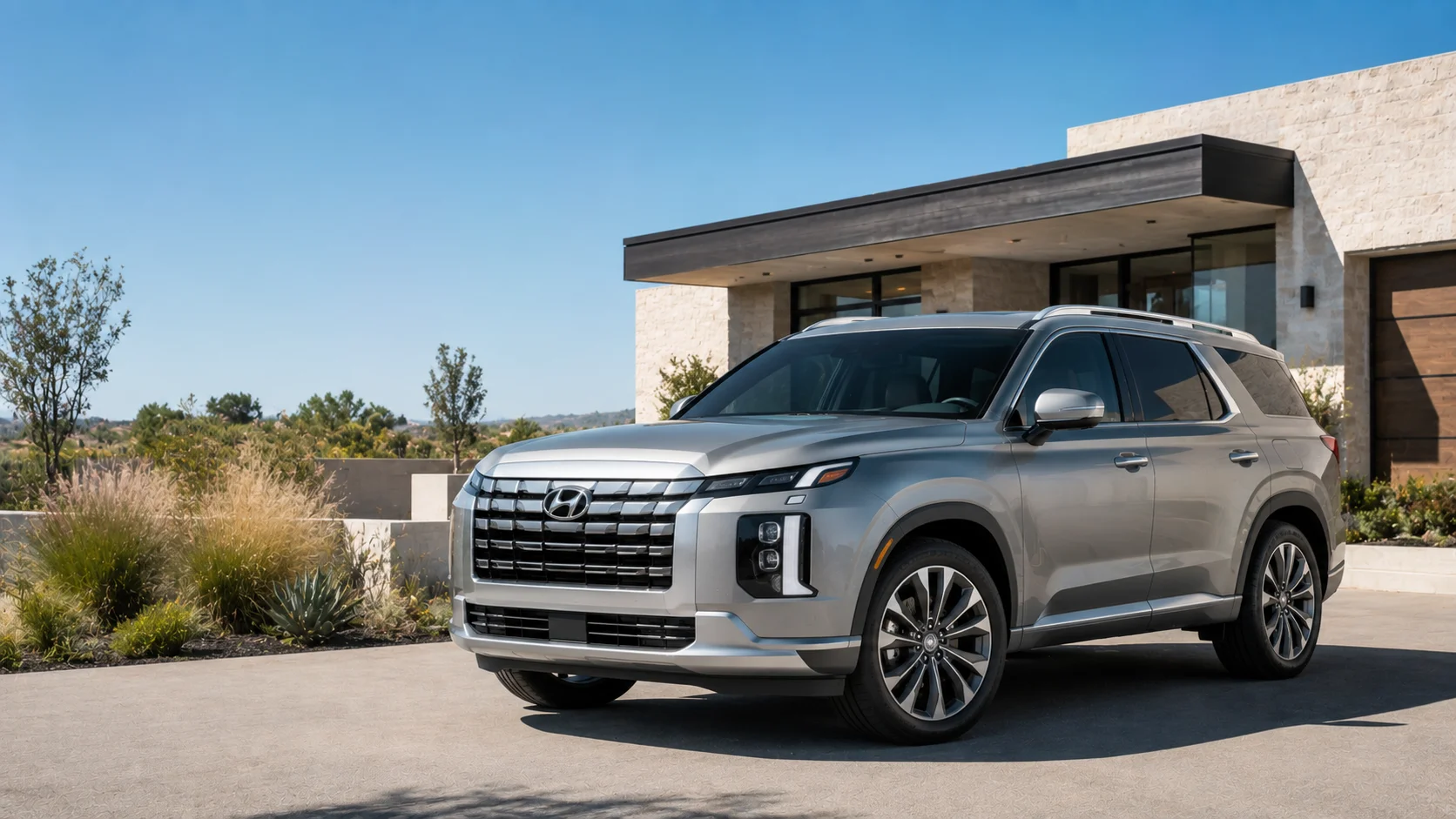
Best Driver Assistance — Sedan
The sedans with the strongest standard adaptive cruise and lane centering. Sedan scores run lower than SUVs and trucks across the board — automakers tend to reserve their most capable systems for option packages in this class — so the winner here leads a field where nothing ships hands-free highway driving as standard.
- MSRP$47,0005-yr cost$69,86349Driver Assist
Leads its class on Driver Assistance; trails on Livability.
- MSRP$31,9955-yr cost$37,79643Driver Assist
Leads its class on Livability; strong on Cost of Ownership.
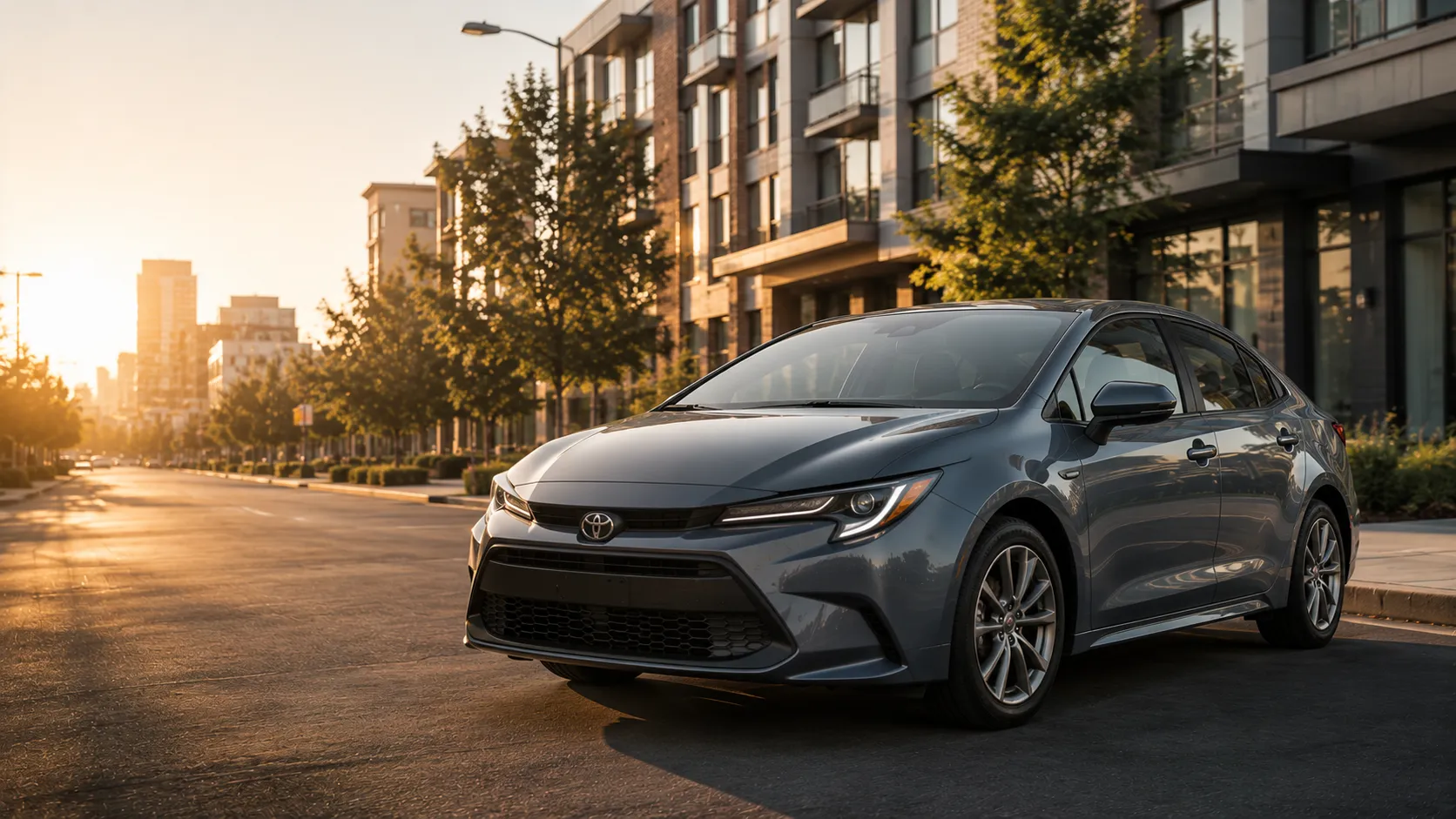
- MSRP$26,3755-yr cost$33,78743Driver Assist
Leads its class on Cost of Ownership; strong on Livability.

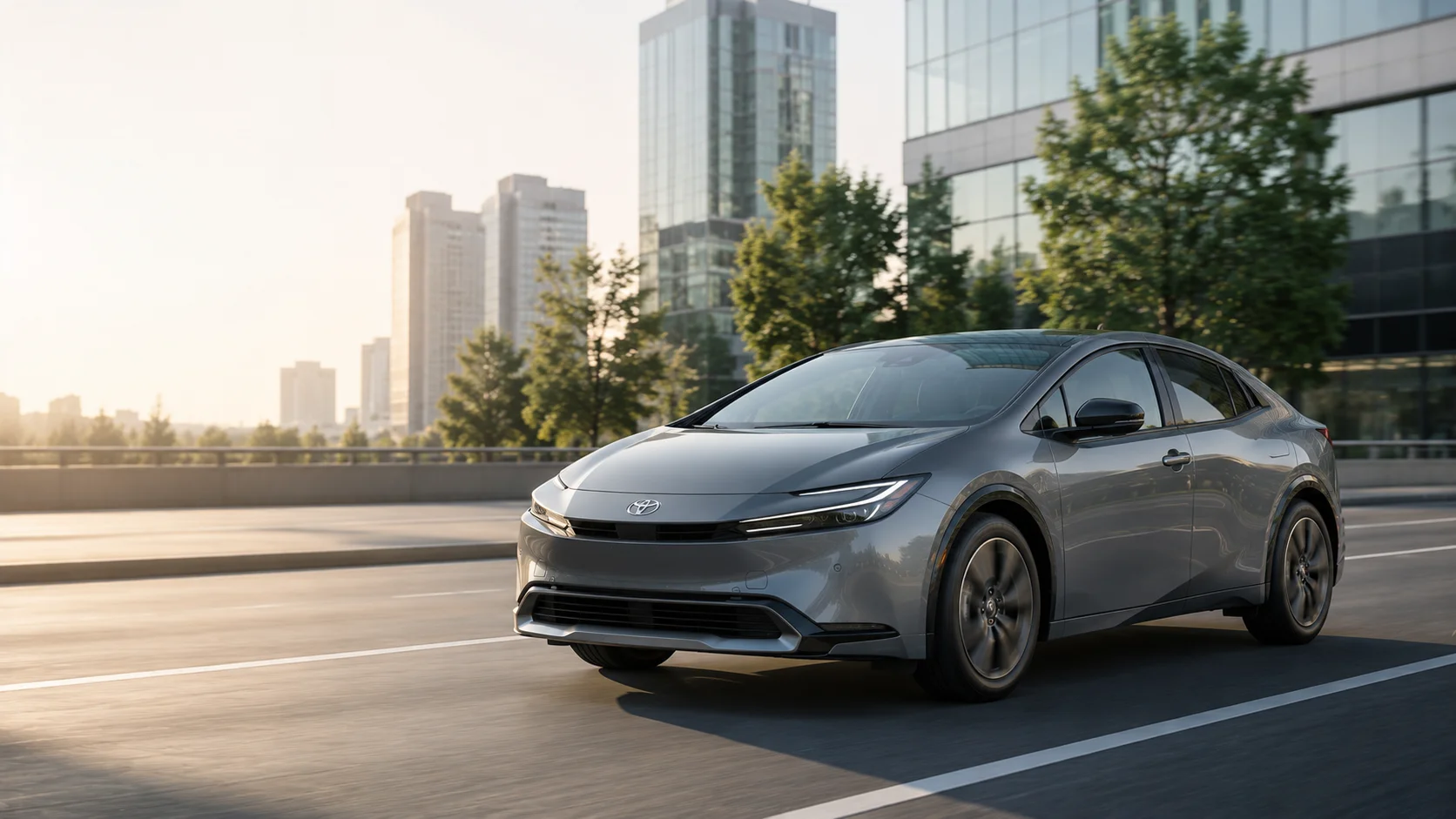
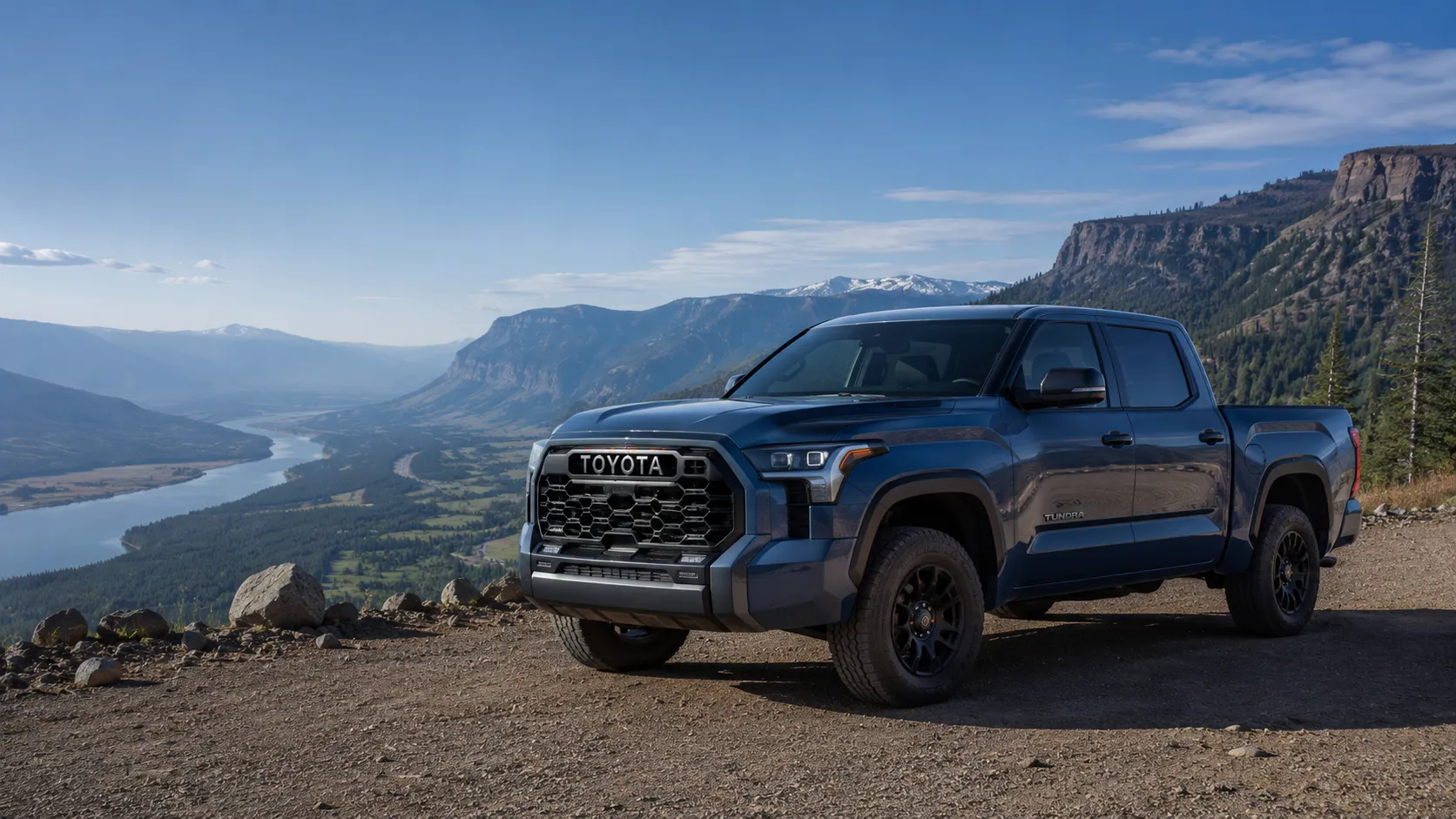
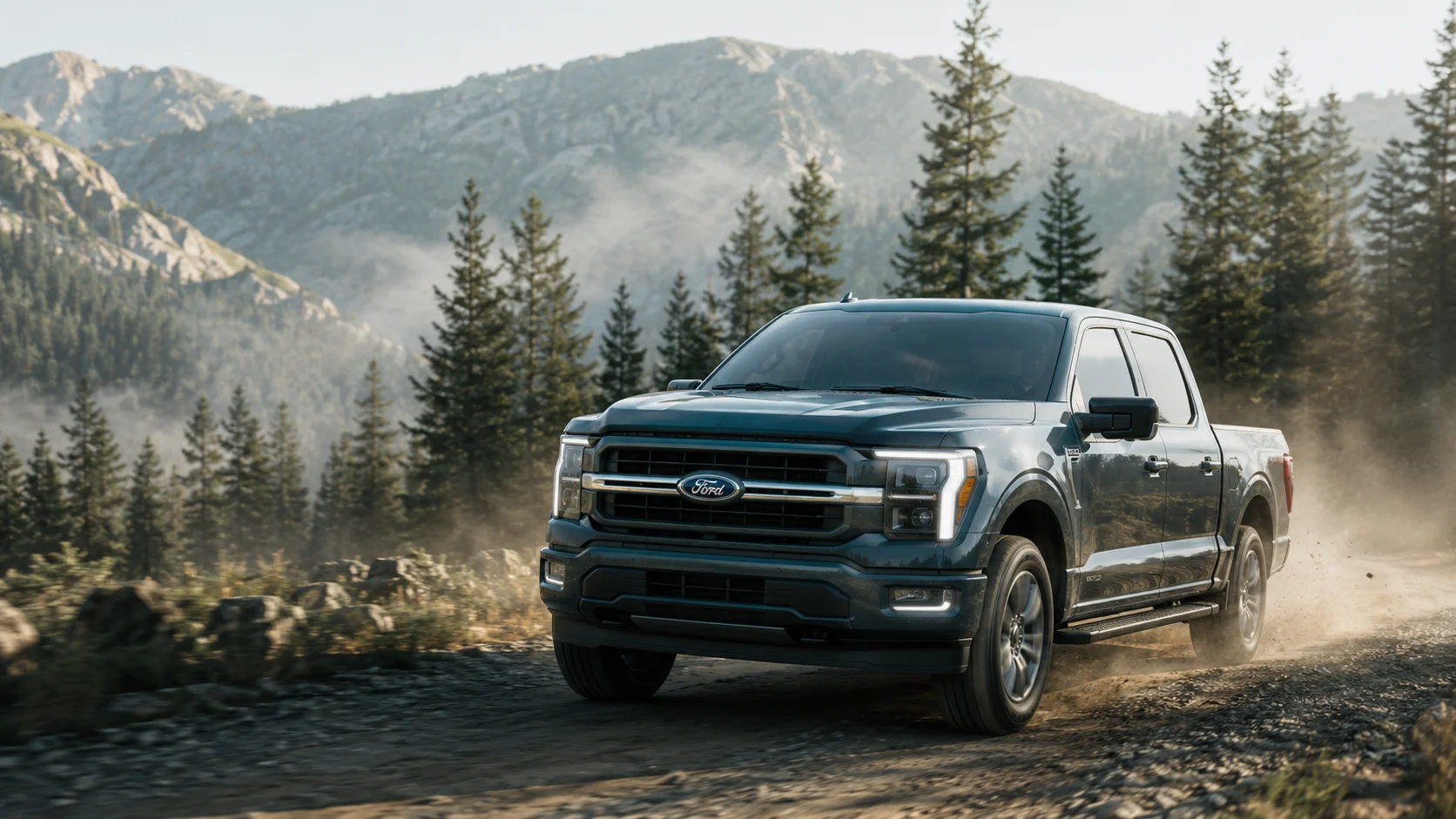
Best Driver Assistance — Truck
Midsize and full-size pickups with the most capable standard driver assistance.
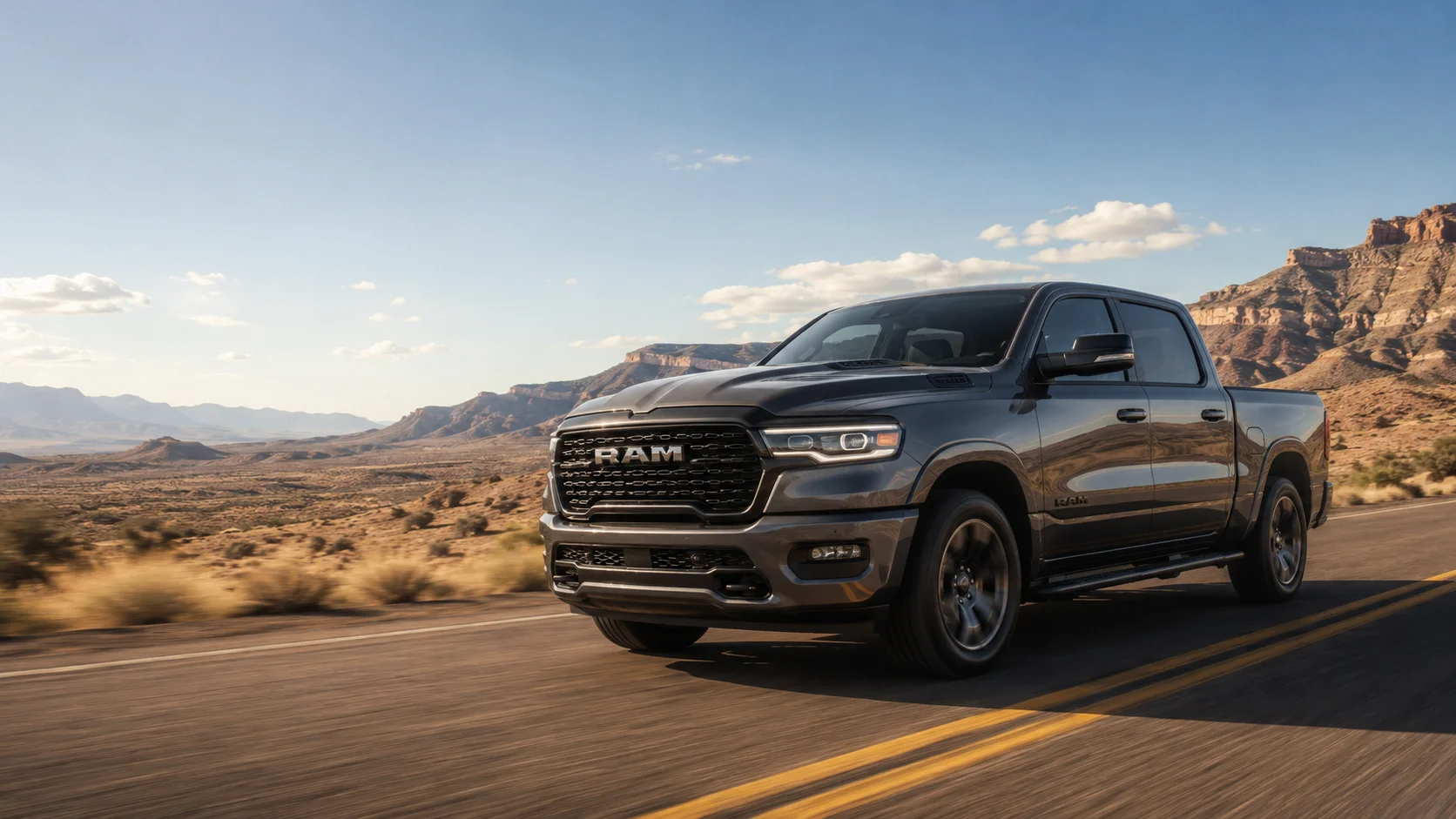
- MSRP$63,0005-yr cost$80,00473Driver Assist
Leads its class on Driver Assistance; trails on Livability.
- MSRP$63,6955-yr cost$66,92857Driver Assist
Leads its class on Cost of Ownership; strong on Driver Assistance; trails on Livability.
- MSRP$63,0005-yr cost$80,67157Driver Assist
Strong for its class on Driver Assistance; trails on Powertrain.
Best Driver Assistance — EV
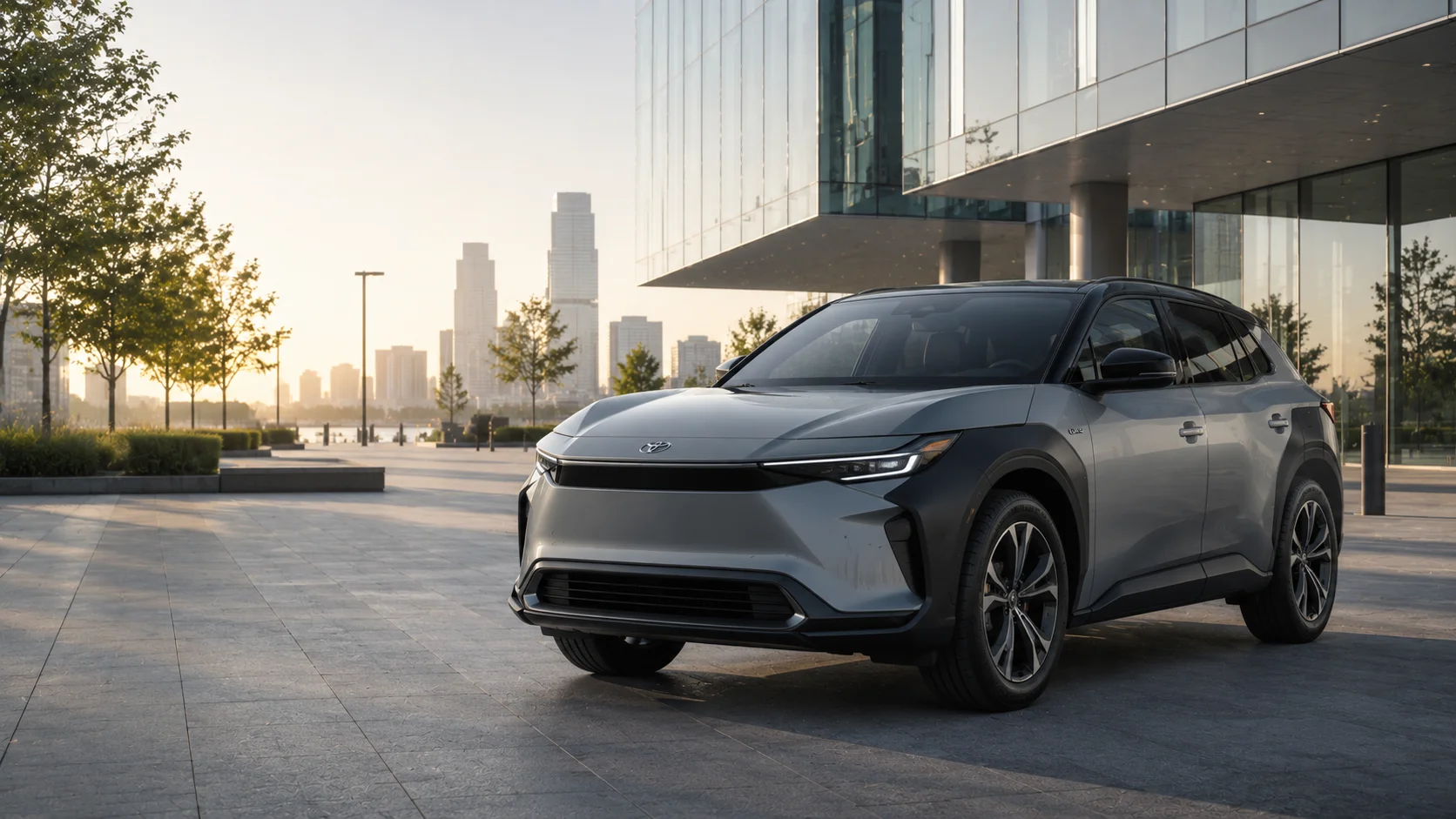
The electric vehicles with the most capable standard driver-assistance systems.
- MSRP$39,8005-yr cost$50,27770Driver Assist
Leads its class on Driver Assistance and Safety; trails on Livability.
- MSRP$53,9905-yr cost$59,12857Driver Assist
Strong for its class on Driver Assistance and Powertrain; trails on Safety.
- MSRP$41,3505-yr cost$49,37449Driver Assist
Leads its class on Powertrain; strong on Driver Assistance; trails on Livability.
Ranked by driver assist, with the MotiveGrid composite score (five pillars, safety weighted heaviest) breaking ties. Each pick is the model’s representative mid-range trim. How we score →
Analysis by the MotiveGrid Engineering Team · scores updated 2026-07-25
Keep exploring
Frequently asked questions
- Which car has the best adaptive cruise control?
- Adaptive cruise control is part of the highway-assistance component of our Driver Assistance score. The top-ranked vehicle in each class appears at #1 above. Because scores reflect standard equipment, a system that comes standard outranks an equally capable one that's only available as an option.
- What does the Driver Assistance score measure?
- Three things: highway assistance (adaptive cruise control, lane centering, traffic-jam assist), parking assistance (cameras, sensors, automated parking), and automation capability — how far the system can drive hands-free on supported roads. It is scored from standard equipment only.
- Do optional driver-assistance packages count toward the score?
- No. The score reflects only standard driver-assistance equipment, so the ranking matches what every buyer of that model actually receives. Optional packages and subscriptions are described on each vehicle page but do not affect the score.
- How are vehicles ranked in this list?
- By the Driver Assistance pillar score, within each class so similar vehicles compete fairly. When two vehicles share a score, the full MotiveGrid composite breaks the tie. Each entry is the representative mid-range trim most buyers configure.
- Why do the winning scores look low?
- Because the scale is deliberately strict: only standard equipment counts, and the top of the 0–100 range is reserved for systems that would bundle capable hands-free highway driving into every trim — which almost no automaker does yet. Most vehicles land in the 30s to 50s, so a class winner in the 40s is leading its field, not failing. Optional packages that would raise a score (Super Cruise, BlueCruise, Full Self-Driving) are described on each vehicle page instead.
- What is the difference between adaptive cruise control and lane centering?
- Adaptive cruise control manages your speed and following distance automatically, slowing for traffic ahead and resuming when it clears. Lane centering steers to keep the car centered in its lane. Together they make up hands-on highway assistance — the car holds its speed, gap, and lane while you supervise. Our Driver Assistance score rewards having both, since one without the other is only half of a highway-assist system.
- How do Super Cruise, BlueCruise, and Tesla Autopilot compare here?
- These systems differ most in their hands-free operating domain (how much of the road network they cover) and their driver monitoring. Our score rewards how far a system can drive hands-free and how broad its sensor coverage is. One caveat: all three of the headline systems are paid extras — GM Super Cruise and Ford BlueCruise are usually optional or subscription features, and Tesla's Full Self-Driving is a monthly subscription — and our score reflects standard equipment only, so none of them lifts a score unless it comes standard. Each vehicle page describes the optional system available on that model.
- Which SUVs can drive hands-free on the highway?
- Hands-free highway capability shows up in the automation-capability part of the Driver Assistance score. SUVs whose standard system supports hands-free operation on divided highways score highest on that component and rise in this ranking. Check the top picks in each SUV class above, and each vehicle page for the specific system and where it is allowed to operate hands-free.
- What is highway driving assist?
- Highway driving assist is the umbrella term for systems that manage speed, following distance, and lane position on the highway — adaptive cruise control working together with lane centering. Brands market it under different names (Hyundai and Kia literally call theirs Highway Driving Assist; others bundle the same capability under a suite name), but the job is the same: the car holds its speed, its gap to traffic, and its lane while you supervise. It is the highway-assistance component of our Driver Assistance score, and it carries the most weight because it is the part drivers use most.
- What is driver monitoring, and why does it matter?
- A driver-monitoring system checks that you are actually paying attention while an assistance system is steering — either with a camera that tracks your eyes and head position, or with a torque sensor that detects hands on the wheel. It matters because a highway-assist system is only as safe as its ability to hand control back to an alert driver: camera-based eye tracking catches an inattentive driver even when a hand is resting on the wheel, which is why safety researchers rate it as the stronger approach. The more capable a system's hands-free operation, the more its safety depends on the quality of its driver monitoring.